
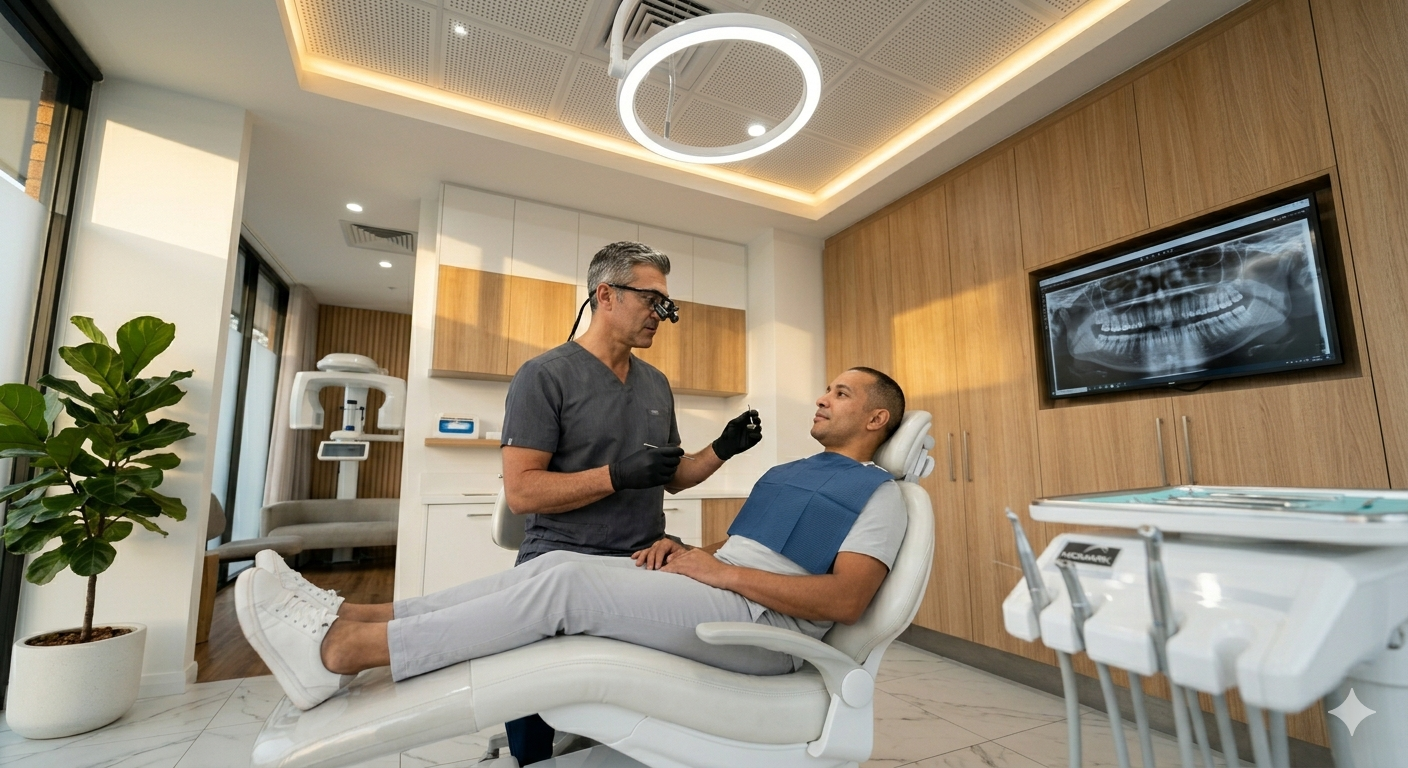
Dental implants in Merritt Island offer a reliable and long-lasting solution for missing teeth. They restore both the look and function of natural teeth by anchoring artificial ones directly into the jawbone. This stability helps patients eat comfortably and speak clearly without worrying about slipping or discomfort.
Many people avoid dental implants because they’re unsure about the procedure, but modern techniques focus on patient comfort and faster recovery. With expert care available locally, Merritt Island residents can access state-of-the-art dental implant services that are tailored to their needs.
Understanding the process and benefits can ease concerns and help patients make informed choices about their dental health. For anyone considering implants, consulting with a trusted dental professional in Merritt Island is a great first step toward a confident smile.
What Are Dental Implants?
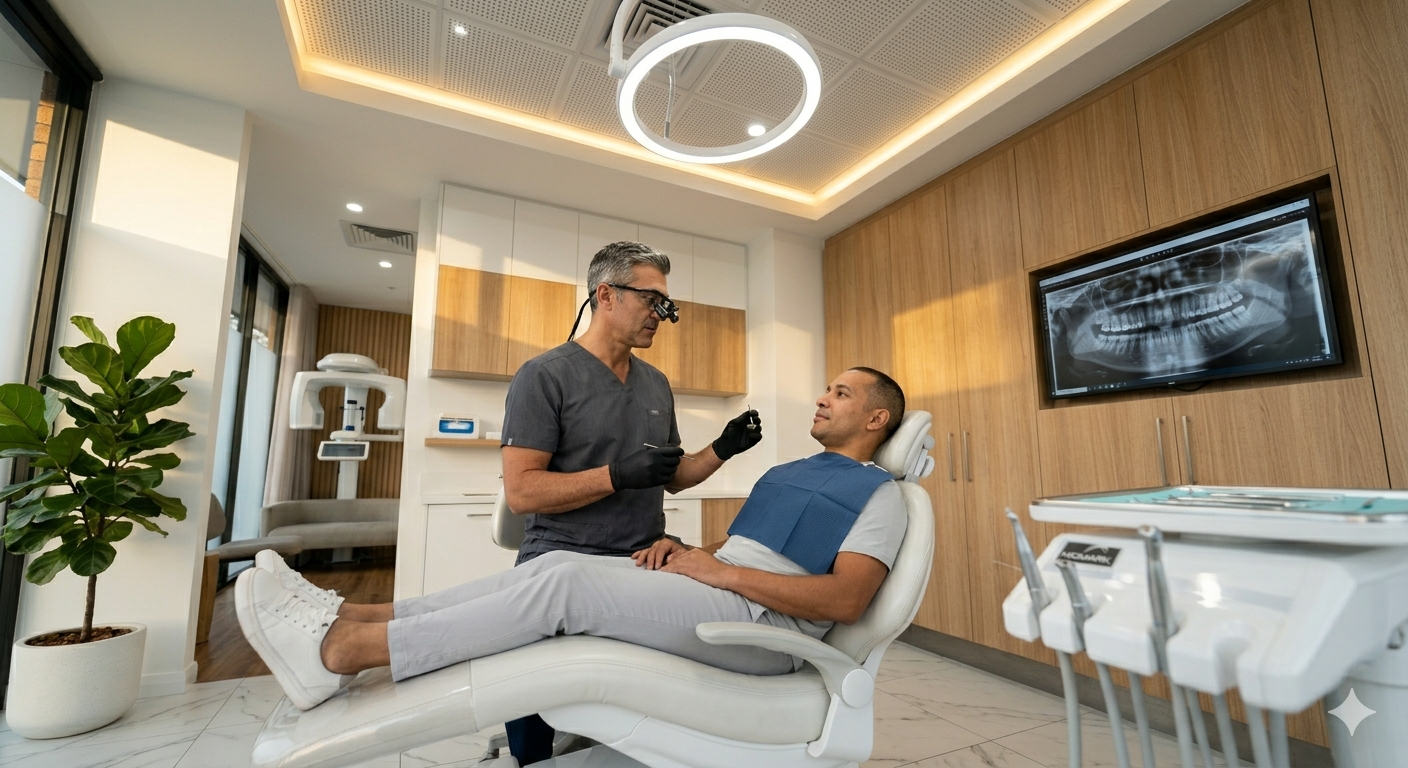
Dental implants are designed to replace missing teeth by providing a stable foundation that looks and functions like natural teeth. These restorations involve a combination of surgical placement and prosthetic components to restore both appearance and chewing ability.
Dental implants interact directly with the jawbone to support artificial teeth. They come in several types and consist of different parts that work together to create a durable dental solution.
How Dental Implants Work
Dental implants are titanium posts surgically inserted into the jawbone to act as artificial tooth roots. Over time, the bone fuses to the implant through a process called osseointegration, securing it firmly in place. This fusion provides stability similar to natural roots.
Once the implant integrates with the bone, it supports a dental crown, bridge, or denture. This setup allows for natural chewing and speaking without slipping or discomfort.
Because implants stimulate the jawbone, they help prevent bone loss that often follows tooth loss, maintaining the shape of the face and jaw over time.
Types of Dental Implants
There are mainly two types of dental implants: endosteal and subperiosteal.
- Endosteal implants are the most common and placed directly in the jawbone.
- Subperiosteal implants sit on top of the bone but under the gum, used mainly when the patient lacks sufficient bone height.
Some patients may need bone grafting before implants if bone volume is low. Mini dental implants, smaller in size, are also an option for certain cases, often used to stabilize dentures.
Each type is chosen based on individual jawbone condition, oral health, and treatment goals.
Components of an Implant
A dental implant typically consists of three main parts:
- Implant Fixture: The titanium post embedded in the jawbone.
- Abutment: The connector attached to the implant, where the artificial tooth attaches.
- Prosthesis: The visible part like a crown, bridge, or denture.
The fixture is biocompatible to encourage bone growth. The abutment sits above the gum line and holds the prosthesis securely. The prosthesis is custom-made to match the patient’s natural teeth in shape and color.
Together, these parts create a strong, natural-looking tooth replacement that can last many years with proper care.
Why Choose Dental Implants in Merritt Island?
Dental implants offer a reliable, natural-looking solution for tooth loss. They improve function and aesthetics while supporting long-term oral health. These factors make them a standout option compared to traditional dentures or bridges.
Benefits Over Other Tooth Replacement Options
Dental implants fuse directly with the jawbone, providing stability that dentures and bridges can’t match. Unlike dentures, implants don’t slip or require adhesives. Bridges often rely on neighboring teeth for support, which can weaken those teeth over time.
Implants also preserve bone by stimulating the jaw, preventing the sunken facial look common with missing teeth. They tend to have a longer lifespan than other replacements, often lasting decades with proper care. For those in Merritt Island seeking a permanent and low-maintenance solution, implants represent the best value and durability.
How Implants Support a Healthy Smile
Implants maintain jawbone strength by mimicking natural tooth roots. This stops the bone loss that happens after tooth extraction. Healthy bone also ensures the face keeps its shape, avoiding premature aging signs like sunken cheeks.
Because implants don’t rely on adjacent teeth, they preserve the integrity of surrounding healthy teeth. Patients can chew and speak normally without worrying about slipping or discomfort. This boosts confidence and encourages better oral hygiene, as implants are easier to clean and don’t trap food like dentures sometimes do.
Personalized Tooth Restoration
In Merritt Island, dental implant procedures are tailored to each patient’s unique dental structure. The implant size, type, and placement are carefully planned using digital imaging to ensure the best fit.
The visible crown is custom-made to match the color, shape, and size of natural teeth, blending seamlessly into the smile. This personalized approach helps achieve a comfortable bite and natural appearance, reducing adjustments and enhancing patient satisfaction.
Patients are guided through each step, from consultation to healing, ensuring comfort and predictable results. This patient-centered care makes dental implants a worthwhile investment for restoring both function and aesthetics.
Who Is a Good Candidate for Dental Implants?
Determining if dental implants are a suitable option depends on several health and oral factors. Candidates typically need to have stable general health, adequate bone density, and good overall oral condition to support the implant properly.
General Health Considerations
Candidates should be free from uncontrolled chronic conditions like diabetes or heart disease, as these can affect healing after implant placement. Smoking and heavy alcohol use may also impair recovery and increase the risk of implant failure.
Medications that affect bone healing, such as certain osteoporosis drugs, need to be discussed with a dentist. Generally, people who maintain good overall health and manage any medical issues well are better prepared for successful implant treatment.
Bone Density and Oral Health
Sufficient jawbone density is crucial because the implant needs strong bone to anchor securely. Bone loss from missing teeth or gum disease may require bone grafting before implants can be placed.
Healthy gums are equally important to prevent infection and support the implant site. Patients with periodontal disease should complete treatment and maintain excellent oral hygiene to improve implant success.
Assessing Your Candidacy
Dentists perform thorough exams, including X-rays or 3D scans, to evaluate bone volume and oral health. They review medical history and may adjust treatment plans accordingly to ensure safety.
They also consider lifestyle factors like diet, oral care habits, and commitment to follow-up visits. Candidates who are motivated to maintain their implants and follow professional guidance often experience the best outcomes.
The Dental Implant Procedure Explained
Dental implants are carefully planned and placed to restore both the function and appearance of missing teeth. Each step is designed to ensure comfort, promote healing, and support a strong foundation for the new tooth.
Initial Consultation and Planning
During the first visit, the dentist evaluates the patient’s oral health with digital X-rays or 3D scans. These images reveal bone density, nerve locations, and overall jaw structure to determine if implants are feasible.
A detailed discussion follows to understand the patient’s medical history, expectations, and lifestyle. This helps tailor the treatment plan, including deciding the right implant type and placement site. Sometimes, bone grafts or sinus lifts are recommended if there’s not enough bone to support the implant.
Clear communication about the process and costs happens here, along with any necessary preparatory treatments like teeth cleaning or extractions.
Implant Placement Process
The implant placement typically occurs under local anesthesia for comfort. The dentist makes a small incision in the gum to expose the jawbone, then drills a precise hole to insert the titanium implant post.
This post acts as the new tooth root, offering a stable base for the artificial tooth. After placing the implant, the gum is stitched closed to protect the site and begin healing.
The procedure usually takes about 60 to 90 minutes per implant. Patients often experience mild swelling or discomfort, which can be managed with over-the-counter pain relief and ice packs.
Healing and Osseointegration
Following surgery, the implant enters a crucial healing phase called osseointegration. During this time, which lasts 3 to 6 months, the bone grows tightly around the implant, securing it firmly in place.
Patients should avoid hard foods and maintain excellent oral hygiene to prevent infection. Regular check-ups ensure the implant is integrating properly with the bone.
Once healing is complete, the dentist attaches an abutment to the implant, followed by a custom crown. This final step restores a natural look and full chewing function, allowing patients to enjoy eating and smiling confidently again.
Advanced Technologies in Merritt Island Dental Implants
Dental implant procedures in Merritt Island now use precise tools and gentle techniques. These advances improve comfort, predictability, and recovery time for patients seeking dental implants.
3D Imaging and Digital Dentistry
With 3D imaging, dentists get a detailed view of the patient’s jawbone and surrounding structures. This technology creates a fully digital map showing bone density, nerve locations, and sinuses.
This helps plan the implant placement with pinpoint accuracy, reducing risks like nerve damage or poor fit. Digital impressions replace messy molds, making the process quicker and more comfortable.
Using digital dentistry tools, the implant design, placement guides, and even custom crowns can be prepared in advance. This streamlines treatment and often shortens appointment times. Patients benefit from fewer surprises and better overall results.
Minimally Invasive Techniques
Minimally invasive implant methods focus on preserving healthy tissue. Instead of large incisions, dentists use small entry points guided by precise imaging.
This approach reduces pain, swelling, and healing time after surgery. It also lowers the chance of infection and other common complications.
In some cases, the implant can be placed immediately following tooth extraction, avoiding multiple surgeries. These techniques make dental implants more accessible and comfortable for patients, especially those with anxiety or health concerns.
Recovery and Aftercare Tips
Recovering from dental implant surgery involves careful attention to comfort, cleanliness, and follow-up care. Patients need clear steps on managing pain, maintaining oral hygiene, and attending scheduled check-ups to ensure successful healing.
Managing Discomfort
Pain and swelling are normal after implant surgery, but they usually peak within 48 hours. Applying an ice pack to the cheek for 10-15 minutes at a time can reduce swelling. Over-the-counter pain relievers like ibuprofen are effective unless the dentist prescribes something stronger.
Eating soft foods such as yogurt, mashed potatoes, and smoothies for the first few days helps avoid irritation. Drinking plenty of water supports healing, but avoid hot, spicy, or acidic foods that might cause discomfort.
Rest is important—patients should avoid strenuous activities for at least 48 hours to prevent bleeding and promote recovery. If pain worsens or lasts beyond a week, contacting the dentist is essential.
Oral Hygiene After Implant Surgery
Keeping the mouth clean is key to preventing infection. Patients should avoid brushing the surgical site directly for the first few days but continue to gently brush other teeth twice daily.
Rinsing with a saltwater solution (1/2 teaspoon of salt in 8 ounces of warm water) two to three times daily helps reduce bacteria. Commercial antiseptic mouthwashes may be recommended but only after the initial healing phase, as they can irritate.
It’s important to avoid smoking and using straws, as the suction can disrupt the healing blood clot around the implant. Regular flossing around adjacent teeth can continue once the gum tissue starts to heal.
Follow-Up Care
Scheduled follow-ups allow the dentist to monitor implant integration and detect any early issues. Typically, an appointment occurs within 1-2 weeks post-surgery to check healing and remove stitches if needed.
Further visits will assess the bone’s acceptance of the implant, usually over the next several months, before placing the permanent crown or restoration. Timely attendance at these appointments ensures adjustments can be made if complications arise.
Patients should report unusual symptoms like persistent pain, swelling, bleeding, or implant mobility immediately. Staying engaged with the dentist fosters successful outcomes and long-term implant health.
Long-Term Success and Maintenance
Achieving lasting success with dental implants depends on careful care and regular monitoring. Keeping implants healthy involves specific habits and ongoing professional check-ups focused on preventing problems before they develop.
Preventing Implant Complications
Dental implants can last many years, but avoiding issues like infection and bone loss is key. Patients should maintain excellent oral hygiene by brushing twice daily with a soft-bristled toothbrush and using floss or interdental brushes around the implant.
Smoking and excessive alcohol use increase the risk of implant failure and should be avoided. A balanced diet rich in vitamins and minerals also supports gum and bone health.
Signs of complications include redness, swelling, or discomfort around the implant. Early detection and treatment of peri-implantitis, a common infection, help prevent implant loss. Patients should report any unusual symptoms to their dentist promptly.
Routine Dental Visits
Regular dental appointments are essential to monitor implant health. Professional cleanings remove plaque and tartar that home care might miss, reducing the chance of inflammation.
Dentists use X-rays to check bone levels and confirm the implant’s stability. These visits usually happen every 6 months unless more frequent monitoring is needed.
During check-ups, adjustments to the implant crown or bridge may be made to ensure a proper bite and comfort. The dentist will also review home care routines and offer personalized advice to keep implants in prime condition.
Choosing the Right Dental Implant Provider in Merritt Island
Selecting a trusted dental implant provider involves more than just location. It requires careful evaluation of qualifications, experience, technology, and the personalized care offered. Knowing what questions to ask during your visit helps you feel confident in your choice.
What to Look For in a Dentist
The provider’s credentials matter a lot. Look for a dentist who has specialized training or certification in implant dentistry. Experience placing implants regularly indicates skill and familiarity with different cases.
Advanced technology also speaks volumes. Providers using digital imaging and guided implant placement tend to offer more precise outcomes and shorter recovery times. Make sure the office maintains a clean, welcoming environment that prioritizes patient comfort.
Patient reviews and before-and-after photos show real outcomes and satisfaction. A dentist who discusses all treatment options and clearly explains risks and benefits is preferable. This approach helps ensure patients make informed decisions.
Questions to Ask at Your Consultation
It’s important to understand the process and what to expect. Ask about the dentist’s success rate with implants and whether they handle the entire procedure in-office or refer you out. Knowing this can impact your convenience and continuity of care.
Inquire about the materials used for implants and how long the restoration will last under typical conditions. Find out what the recovery looks like and how pain or complications are managed.
Cost and financing options are vital, too. Request a detailed treatment plan with pricing to avoid surprises. Clear communication about aftercare and follow-up visits ensures you feel supported throughout the healing journey.
Cost, Financing, and Insurance Information
Dental implant costs can vary depending on several key details including the implant type, surgical needs, and additional treatments. Understanding payment options and insurance coverage helps patients plan their care without surprises.
Factors That Influence Implant Costs
The total price of a dental implant depends on several factors. These include the number of implants needed, the materials used, and whether bone grafting or sinus lifts are required before placement.
Location also plays a role—Merritt Island dental offices may charge differently based on their expertise and facility costs. On average, a single implant can cost between $3,000 and $5,000. This usually covers the implant post, abutment, and crown, but additional fees can apply for consultations, scans, or anesthesia.
Patients with complex oral health needs or who select premium materials might see higher costs. Transparency from the dental office before treatment helps avoid unexpected expenses.
Financing Options for Patients
Many dental offices in Merritt Island offer flexible financing to make implants more affordable. Common options include monthly payment plans with little or no interest through third-party lenders.
CareCredit and other healthcare credit cards are popular because they spread the cost over 6 to 24 months, depending on approval. Some dental practices also offer in-house financing or discounts for upfront cash payments.
It’s important for patients to ask about all financing terms and confirm if their insurance covers parts of the procedure. While implants are often considered elective, some insurance plans may cover certain preparatory or restorative treatments, reducing out-of-pocket expenses.
Take the Next Step Toward Your Healthiest Smile
Choosing dental implants in Merritt Island can be a positive move toward restoring both function and confidence. They offer a sturdy, natural-feeling solution for missing teeth, helping patients enjoy everyday activities like eating and speaking with ease.
Many feel uncertain about the process, but modern implant techniques focus on comfort and precision. With local care, patients can expect personalized treatment plans that respect their unique needs and schedules.
Key benefits include:
- Durability that can last for many years
- Improved oral health by preserving jawbone structure
- Enhanced appearance with natural-looking replacements
Taking the first step often means scheduling a consultation. During this visit, a dental expert will review oral health, discuss goals, and answer any questions. This approach empowers patients to make informed decisions without feeling rushed or overwhelmed.
If someone feels worried about the procedure or recovery, the dental team can provide clear guidance and support every step of the way. Patient comfort and satisfaction take priority throughout the entire treatment journey.
Encourage anyone considering dental implants to reach out and start a conversation. It’s a chance to explore options and begin moving towards a healthier, more confident smile.
Frequently Asked Questions
Dental implants involve several key factors like cost, procedure, and candidacy. Understanding these details helps patients feel more confident about their treatment and what to expect.
How much does a single dental implant typically cost, and what factors can change the price?
A single dental implant usually costs between $3,000 and $5,000 on Merritt Island. Prices vary based on the implant type, bone grafts needed, and whether additional treatments like extractions are required.
Insurance coverage, location, and the provider’s experience also influence the final price. Discussing your specific case with your dentist can clarify costs upfront.
What is the step-by-step process for getting an implant, from the first visit to the final crown?
The process starts with a consultation and imaging to assess bone health. Next, the implant post is surgically placed into the jawbone and left to heal for 3 to 6 months.
After healing, an abutment attaches to the implant, followed by placing the custom crown. Each step is spaced out to ensure proper healing and stability.
Am I a good candidate for implants if I have gum disease, bone loss, or other health conditions?
Active gum disease requires treatment before implants. Bone loss might mean a bone graft is needed to provide a solid foundation.
Chronic health conditions like diabetes don’t automatically disqualify someone but need good management. Your dentist will evaluate your overall health carefully.
How long do dental implants usually last, and what can I do to help them stay healthy?
Dental implants can last 20 years or more with proper care. Good oral hygiene and regular dental checkups are essential to prevent infection or bone loss around the implant.
Avoid smoking and follow your dentist’s aftercare instructions to support long-term success.
Does getting an implant hurt, and what comfort or sedation options are available during treatment?
Most patients experience mild discomfort that is manageable with over-the-counter pain medicine. Local anesthesia is standard, and sedation options like nitrous oxide or oral sedatives can also be provided for extra relaxation.
Your comfort is a priority throughout the treatment process.
What’s the difference between seeing a general dentist versus an oral surgeon for implant placement, and how do I choose?
General dentists often handle straightforward implant cases and restore the final crown. Oral surgeons or periodontists specialize in complex placements, especially when bone grafting or multiple implants are needed.
Choosing depends on the complexity of your case and your comfort with your provider’s experience.