
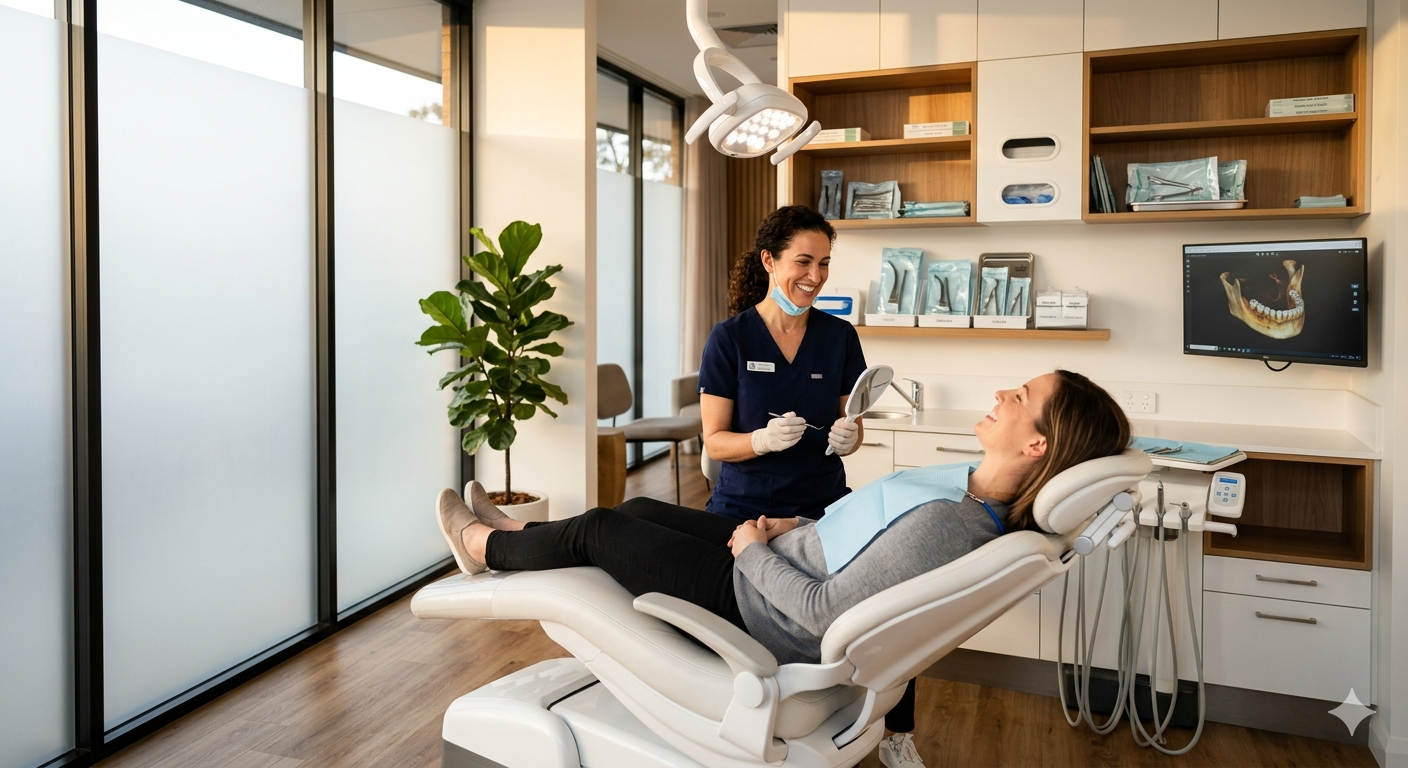
When a dental emergency happens, finding the right care quickly can make all the difference. An emergency dentist in Merritt Island, FL, is available to handle urgent dental problems like severe tooth pain, broken teeth, or infections, often with same-day appointments to relieve pain and prevent further damage.
These dentists focus on patient comfort and use modern techniques to provide fast, effective treatment. Whether it’s a lost filling or a sudden injury, knowing where to turn can ease stress and get you back to feeling your best.
If unexpected dental issues strike, Merritt Island’s emergency dental services offer clear options and compassionate care. They encourage patients to reach out right away to address concerns before they worsen.
Understanding Dental Emergencies
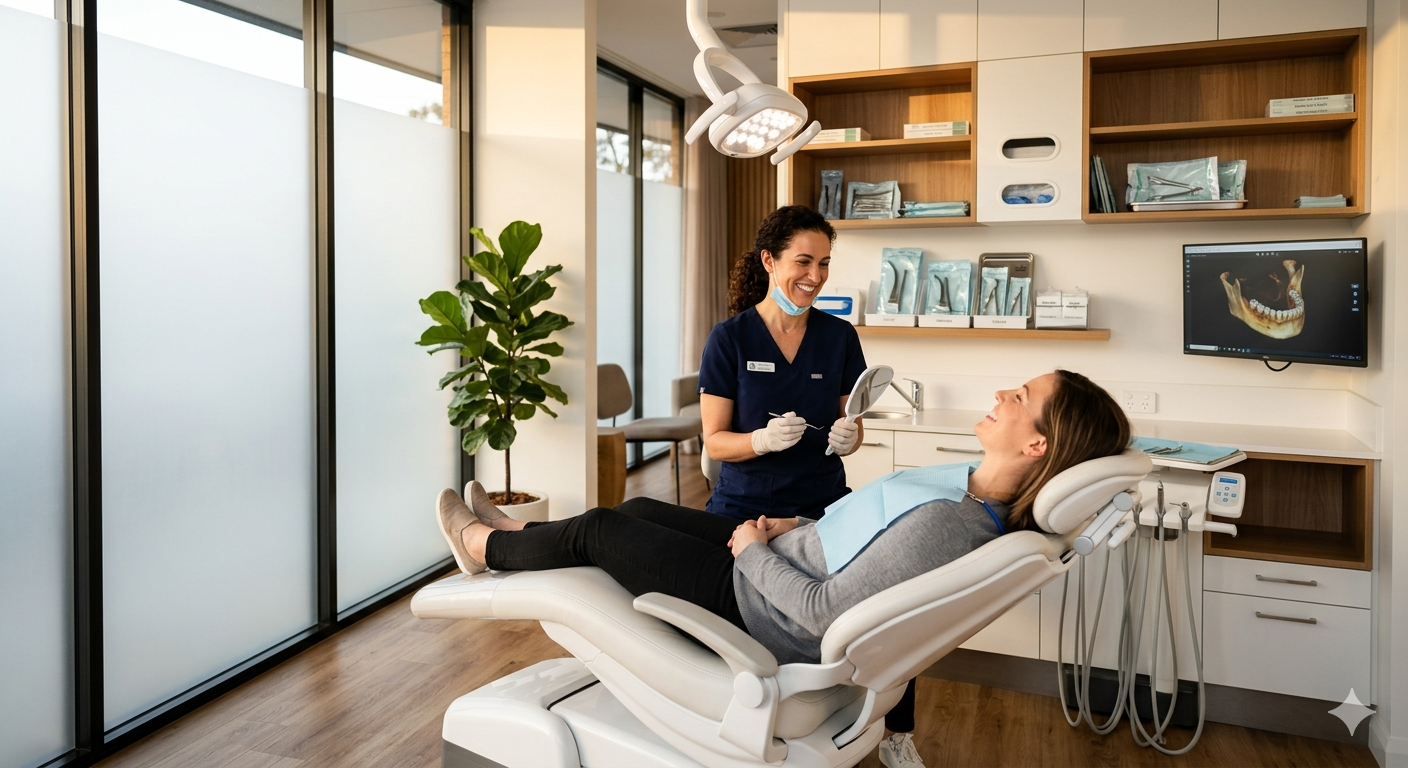
Knowing which dental issues need fast attention can protect your smile and prevent complications. Some problems come with clear signs, while others may feel less urgent but still require prompt care.
Identifying Urgent Dental Problems
Urgent dental problems usually involve severe pain, bleeding, or visible damage. For example, a knocked-out tooth demands immediate action to improve chances of saving it. Intense, persistent toothache affecting daily life can also signal infection or decay needing quick treatment.
Other signs include swelling, fever, or a broken crown or filling causing discomfort or sensitivity. If a dental problem affects breathing, swallowing, or causes uncontrollable bleeding, it should be treated as an emergency. In all cases, timely professional evaluation is key to addressing issues before they worsen.
When to Seek Immediate Dental Care
Immediate dental care is necessary when injuries or symptoms threaten oral health or cause significant pain. Situations like trauma from accidents, constant bleeding after a dental procedure, or a toothache accompanied by fever indicate the need for prompt treatment.
Delaying care can lead to complications such as severe infection or permanent tooth damage. If pain interferes with eating, sleeping, or speaking, visiting an emergency dentist quickly helps manage discomfort and preserve oral health. Many emergency dentists in Merritt Island offer after-hours services for urgent needs.
Common Causes of Dental Emergencies
Dental emergencies often arise from accidents, poor oral hygiene, or untreated dental conditions. Sports injuries, falls, or biting down on hard objects frequently cause chipped or knocked-out teeth.
Neglected cavities and gum disease also increase the risk of abscesses, which are painful infections that require urgent care. Sometimes, sudden root canal failure or loose dental work causes sharp pain or instability needing fast intervention. Regular dental visits can help prevent many emergencies by catching problems early.
What To Expect During an Urgent Dental Visit
During an urgent dental visit, patients quickly move from initial evaluation to pain relief and immediate care. The process is designed to address the problem efficiently while ensuring comfort throughout.
Assessment and Diagnosis Process
When a patient arrives, the dentist begins with a detailed review of symptoms and dental history. This helps pinpoint the cause of pain or trauma. Next, a physical exam focuses on the affected area, checking for swelling, fractures, or infection signs.
Diagnostic tools like digital X-rays or 3D imaging are often used to see beneath the surface. These tools help identify issues like abscesses, broken teeth, or impacted nerves. The dentist explains findings clearly to ensure the patient understands the situation before moving forward.
Pain Management and Comfort Steps
Pain control is a top priority during emergency visits. The dentist may provide local anesthesia to numb the area quickly. For severe discomfort, sedatives or oral pain relievers might be offered to ease anxiety and pain.
Additional comfort measures include cold compresses to reduce swelling and gentle handling of the affected site. Staff members often talk patients through each step, helping them stay calm. Patients are encouraged to communicate if pain increases or if they feel uneasy at any point.
Immediate Treatment Options
Treatment depends on the diagnosis but aims to stabilize the problem right away. Common urgent procedures include draining abscesses, repairing chipped or knocked-out teeth, and applying temporary fillings.
If infection is present, antibiotics may be prescribed immediately. In some cases, the dentist can start root canal therapy to save a severely infected tooth. The goal is to relieve pain and prevent further damage while planning any necessary follow-up care.
Types of Urgent Dental Issues
When dental problems demand immediate attention, knowing the signs can make all the difference. Some urgent issues cause pain, while others risk long-term damage if ignored.
Toothaches and Abscesses
Severe toothaches often signal an infection or deep decay needing prompt care. An abscess, a painful pus-filled pocket, can cause swelling, fever, and sensitivity when biting. It risks spreading infection if untreated.
Pain relief at home is temporary. Rinsing with warm salt water and avoiding extreme temperatures can ease discomfort until the dentist sees the patient. Antibiotics or drainage may be necessary, followed by treating the underlying tooth issue to prevent recurrence.
Broken or Knocked-Out Teeth
A broken tooth might expose the inner layers, causing sharp pain and sensitivity. A knocked-out tooth requires immediate action to increase chances of saving it. Rinsing the tooth gently without scrubbing and placing it back in the socket or in milk helps preserve it.
Delays can lead to infection or permanent tooth loss. Emergency treatment often includes cleaning, repositioning, or dental bonding. Timely care maintains function and appearance.
Lost Fillings and Crowns
Losing a filling or crown leaves a tooth vulnerable to decay and pain. Sharp edges can irritate the tongue and gums, causing discomfort or cuts. Though not always painful, it demands quick dental repair to avoid more damage.
Temporary dental cement or sugar-free gum can serve as short-term solutions. Dentists replace lost restorations to protect the tooth and restore chewing ability. Waiting too long increases the risk of further complications.
Modern Solutions for Emergency Dental Care
Emergency dental care now uses precise tools and targeted treatments to quickly address pain and damage. Patients benefit from faster diagnostics and less invasive procedures that focus on comfort and effective healing.
Advanced Technology in Diagnosis
Dentists in Merritt Island use digital X-rays and 3D imaging to spot issues that might be missed with older methods. These tools provide clear, detailed pictures of teeth and roots in seconds, reducing wait times and unnecessary exposure to radiation.
Electronic apex locators help pinpoint the exact length of root canals during emergencies, improving treatment accuracy. These advances allow dentists to diagnose cracked teeth, infections, or impacted fractures more confidently, leading to faster, more tailored care.
Minimally Invasive Treatments
When possible, emergency dentists prioritize gentle treatments to ease pain without extensive drilling or surgery. Laser therapy is often used to reduce inflammation, sterilize infected areas, and promote faster tissue healing.
For dental trauma, bonding with tooth-colored composites can quickly restore chipped or broken teeth without needing crowns right away. This approach saves healthy tooth structure and helps patients feel relieved sooner.
These solutions focus on reducing discomfort and recovery time while preventing worsening damage. They also allow emergency dentists to stabilize problems so that long-term treatment can be planned carefully.
Choosing a Trusted Dental Professional in Merritt Island
Finding the right emergency dentist in Merritt Island means looking beyond availability. It involves assessing the team’s skills and how well they address patient needs with care and understanding.
Qualities of a Reliable Dental Team
A trusted dental team combines experience, clear communication, and a calm, welcoming environment. Patients benefit when dentists have specialized training in emergency care and stay updated with the latest dental technologies.
Look for a dental practice that offers transparent pricing and explains treatment options clearly. This builds trust and reduces anxiety, especially during urgent situations.
The staff should be friendly and efficient, helping patients feel comfortable from the first phone call to follow-up visits. Flexible scheduling and prompt responses play a crucial role in managing dental emergencies smoothly.
Personalized Patient Care Approach
Personalized care means the dentist listens to each patient’s unique concerns and medical history. This helps tailor treatments that suit both the urgency and the individual’s comfort level.
Dentists in Merritt Island who prioritize personalized care often use gentle techniques and sedation if needed. They also provide clear aftercare instructions, ensuring recovery goes smoothly.
Patients are encouraged to ask questions and discuss pain management options. When a dentist values open conversation, it creates a partnership that supports better outcomes and less stress during emergencies.
How to Prepare for Urgent Dental Situations
Being ready for a dental emergency can ease stress and improve outcomes. Knowing specific actions to take and how to protect your teeth before reaching a dentist is key.
Steps to Take Before Your Appointment
The first step is to call the emergency dentist’s office to explain the situation clearly. They can provide advice, book your slot, and tell you which documents or dental records to bring.
If possible, gather any information on medications you take and list any allergies. This helps the dentist provide safer and personalized care. Arrive early or on time to allow for prompt assessment.
If bleeding is involved, use clean gauze or a cloth to apply firm pressure for at least 10 minutes. Avoid eating or drinking until the dentist evaluates the injury.
Preventing Further Damage at Home
At home, avoid touching or probing the injured area to prevent worsening the problem. For a knocked-out tooth, pick it up by the crown, rinse gently with water, and try to place it back in the socket if you can do so carefully. Otherwise, keep it in milk or a tooth preservation product while heading to the dentist.
Use a cold compress on your face near the injury to reduce swelling. Over-the-counter pain relievers like ibuprofen can help, but avoid aspirin as it may increase bleeding.
Steering clear of hard or chewy foods can protect damaged teeth until treatment is complete.
Long-Term Prevention and Ongoing Care
Maintaining dental health after an emergency is just as important as addressing the immediate problem. Focusing on practical steps and daily habits helps reduce the chance of future issues and keeps a smile strong over time.
Tips for Preventing Dental Emergencies
Avoiding dental emergencies often starts with recognizing common risks. Wearing a mouthguard during sports can protect teeth from sudden impacts. Avoid chewing hard objects like ice, popcorn kernels, or pens, which can easily chip or crack teeth.
Regular dental checkups also help catch weaknesses before they become painful problems. Patients should stay vigilant about early signs like sensitivity or loose teeth. In addition, managing habits like nail-biting or grinding can prevent unnecessary wear or fractures.
Emergency dentists often recommend keeping a small dental first aid kit. Items like dental wax, temporary filling material, and pain relief gel can be useful until professional care is available.
Establishing Healthy Oral Hygiene Habits
Good daily care forms the foundation of a healthy smile. Brushing twice a day with fluoride toothpaste removes plaque and strengthens enamel. Using a soft-bristled brush helps avoid gum irritation while reaching all surfaces.
Flossing once daily reduces the risk of gum disease and cavities developing between teeth. For added protection, rinsing with an antimicrobial mouthwash can control bacteria that causes inflammation or infection.
Balanced nutrition also supports long-term oral health. Limiting sugary snacks and acidic drinks helps prevent decay. Drinking plenty of water keeps the mouth hydrated and aids natural cleaning.
Dentists encourage patients to stick to routine visits every six months. These appointments include professional cleanings and exams to maintain healthy gums and spot problems early.
Next Steps: Getting the Help You Need
When a dental emergency arises in Merritt Island, the first step is to stay calm and assess the situation. Identifying the severity—whether it’s a knocked-out tooth, severe pain, or a broken crown—helps guide immediate actions.
Patients should call an emergency dentist right away. Many local offices offer same-day appointments or after-hours care to provide quick relief and prevent complications.
Here’s what to do while waiting for professional help:
- Rinse the mouth gently with warm water
- Use a cold compress to reduce swelling
- Avoid chewing on the injured side
- Take over-the-counter pain relief if necessary
Dental offices in Merritt Island prioritize patient comfort, offering modern treatments that minimize discomfort and speed recovery. Whether it’s root canal therapy, tooth reattachment, or temporary crowns, they focus on preserving natural teeth whenever possible.
Scheduling a consultation soon after an emergency ensures proper healing and addresses any underlying dental issues. It also provides an opportunity to discuss preventive dental care to reduce future emergencies.
Encouraging patients to keep emergency contact information handy and maintain regular dental check-ups can make all the difference when urgent care is needed. Reaching out with questions or concerns early can provide peace of mind.
Frequently Asked Questions
Understanding when to seek urgent dental care and how to manage common emergencies at home can make a big difference. Knowing the costs, treatment options, and signs of serious infection helps patients feel more prepared and less stressed in tough situations.
What counts as a true dental emergency, and when should I seek same-day care?
A true dental emergency includes severe tooth pain, uncontrollable bleeding, knocked-out teeth, broken teeth causing sharp edges, or swelling that affects breathing or swallowing. Same-day care is necessary when these problems occur to prevent further damage or infection.
How much does an urgent dental visit typically cost, and what payment options are common?
Urgent dental visits in Merritt Island usually range from $150 to $500 depending on the treatment needed. Many emergency dentists accept cash, credit cards, and some offer payment plans or financing to help manage costs.
Can a hospital emergency room actually treat a toothache or dental infection, or do I still need a dentist?
Hospital ERs can manage severe pain or swelling in emergencies but usually cannot provide definitive dental care like fillings or extractions. Seeing an emergency dentist afterward is necessary for proper treatment.
What should I do at home right away for a knocked-out tooth, broken tooth, or lost filling until I’m seen?
For a knocked-out tooth, rinse it gently and try to place it back in the socket or store it in milk. Use dental cement or sugarless gum temporarily to cover a lost filling or smooth sharp edges of a broken tooth. Avoid chewing on the affected side.
How dangerous is a tooth infection, and what warning signs mean it’s spreading and needs urgent treatment?
A tooth infection can spread to surrounding tissues and become life-threatening if untreated. Signs include increasing redness, swelling, fever, difficulty breathing or swallowing, and swollen lymph nodes. These require immediate dental or medical care.
If I have severe tooth pain after hours or on the weekend, how can I get seen quickly and stay comfortable in the meantime?
Many Merritt Island emergency dentists offer after-hours or weekend appointments for pain relief. Over-the-counter painkillers, cold compresses, and gentle rinsing with warm salt water can help ease discomfort until treatment.