
You can get fast, skilled help in Merritt Island when a dental emergency strikes, and acting quickly often prevents worse pain or larger procedures. Call a local emergency dentist or visit an urgent dental clinic right away if you have severe pain, bleeding, a knocked-out tooth, or swelling that affects breathing or swallowing.
They explain what to expect during an emergency visit, from triage and pain control to X-rays and same-day treatments when possible, so you won’t face surprises. Practical steps for immediate care, tips for choosing a trusted emergency dentist nearby, and easy preventive measures will help you protect your smile and reduce stress.
Understanding Dental Emergencies
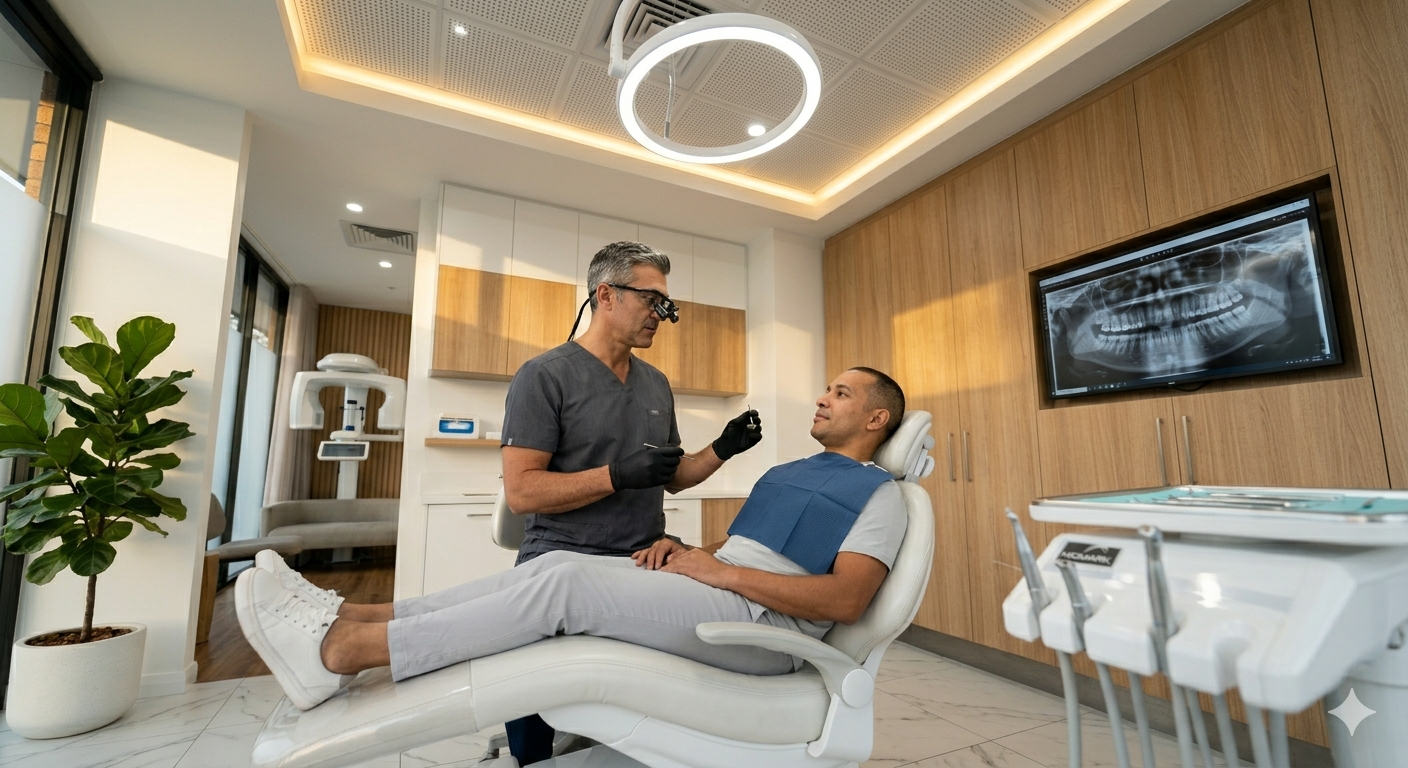
Dental emergencies can range from sudden pain to visible trauma and infections. Quick recognition and the right first steps reduce pain, prevent tooth loss, and lower the chance of complicated treatment later.
Common Dental Emergencies
- Severe toothache: Intense, persistent pain often signals pulp inflammation or infection. It may come with swelling, fever, or sensitivity to hot and cold.
- Knocked-out tooth (avulsed): A permanent tooth that is completely displaced requires reimplantation ideally within 30–60 minutes. Keep the tooth moist in milk or saline; avoid touching the root.
- Broken or fractured tooth: Chips may only affect enamel, while deeper fractures can expose dentin or pulp. Sharp edges can cut the tongue; temporary smoothing or a dental dam may protect soft tissues until treatment.
- Lost filling or crown: Exposed dentin increases sensitivity and decay risk. Use dental cement or sugar-free gum as a short-term cover and see a dentist within 24–48 hours.
- Soft-tissue injuries: Cuts to lips, cheeks, or tongue bleed heavily but often stop with firm pressure. Deep lacerations, continual bleeding, or signs of infection require prompt attention.
- Dental abscess: Localized swelling, throbbing pain, and a bad taste indicate pus buildup. Abscesses can spread; antibiotics plus drainage or root canal therapy may be necessary.
Recognizing Urgent Symptoms
Look for specific signs that indicate an urgent situation rather than a routine problem. Severe, unrelenting pain that prevents sleep or normal activity suggests an advanced infection or nerve involvement.
Visible tooth displacement, loose teeth after trauma, or an empty socket after a blow demand immediate care to maximize chances of saving the tooth.
Other urgent symptoms include swelling that affects breathing or swallowing, a high fever with oral pain, and spreading redness toward the jaw or neck. These may indicate a rapidly spreading infection and require emergency evaluation.
Persistent bleeding that won’t stop after 15–20 minutes of firm pressure is also urgent. For knocked-out permanent teeth, time is critical; reimplantation success falls sharply after an hour.
When to Seek Immediate Care
Go to an emergency dentist or ER when injury causes severe pain, uncontrolled bleeding, or breathing difficulty. For knocked-out permanent teeth, he or she should act within 30–60 minutes and bring the tooth stored in milk or saline.
If swelling pushes on the airway, or if fever and facial swelling accompany tooth pain, emergency care is necessary to prevent systemic spread.
For high pain with fever, visible abscess, or spreading redness into the neck, call an emergency dental provider promptly. Non-urgent but timely visits within 24–48 hours apply to lost fillings, minor chips, or low-level sensitivity.
When in doubt, seeking immediate assessment protects oral health and prevents small problems from becoming emergencies.
What To Expect During an Emergency Dental Visit
Patients receive prompt comfort measures, pain control, and targeted diagnostics. Staff confirm medical history, assess the injury or pain source, and explain treatment options and timelines.
Initial Assessment and Comfort Measures
When the patient arrives, the receptionist verifies contact and insurance details quickly. A triage nurse or dental assistant asks focused questions about pain intensity, time of injury, bleeding, and any medical conditions or medications that affect treatment.
The clinician performs a visual exam of teeth, gums, lips, jaw alignment, and soft tissues. They document swelling, lacerations, mobility, or missing teeth and take vital signs if significant trauma or infection is suspected.
Staff prioritize immediate comfort: applying cold packs to reduce swelling, providing gauze for bleeding control, and offering local anesthetic for severe pain. The dental team explains each step and gets consent before procedures.
A brief care plan is shared in plain language: what will be treated now, what will wait, and whether a same-day follow-up or specialist referral (oral surgeon, endodontist) is recommended.
Pain Relief Options
Clinicians use both immediate and short-term strategies to control pain and inflammation. For localized pain, they typically administer a local anesthetic (lidocaine or articaine) for immediate numbness during treatment.
For diffuse pain or infection-related pain, the dentist may prescribe antibiotics (amoxicillin, clindamycin) plus an analgesic such as ibuprofen 400–600 mg every 6–8 hours, or acetaminophen as an alternative. Doses vary by weight, age, and medical history.
If anxiety complicates pain control, nitrous oxide (laughing gas) or oral anxiolytics (short-acting benzodiazepines) can be offered after screening for contraindications. Severe cases with uncontrolled pain may receive a short opioid prescription as a last resort, coupled with written guidance and limited quantities.
The team clarifies expected relief timelines, side effects, and when to call back for worsening symptoms or side effects from medications.
Diagnostic Procedures
The dentist uses targeted imaging and tests to pinpoint the problem quickly. Common imaging includes periapical and bitewing X‑rays for suspected fractures or decay, and panoramic X‑rays for jaw or multiple-tooth trauma.
If soft-tissue injury or complex facial trauma is suspected, the clinic may arrange cone-beam CT or refer to an emergency department for CT imaging. Pulp vitality testing (cold, electric) helps determine nerve health in injured teeth.
The clinician documents findings with photos and notes, then explains diagnosis and treatment options using clear comparisons (for example: “root canal to save the tooth” versus “extraction and implant or bridge later”). They provide a written estimate and consent forms when a procedure is planned.
Emergency Treatments and Services
This section explains common urgent dental procedures, what patients can expect during treatment, and immediate steps that improve outcomes. It highlights repair options, infection control, and tooth salvage techniques used by emergency dentists in Merritt Island, FL.
Tooth Repair and Restoration
Emergency dentists assess broken or painful teeth and prioritize treatments that relieve pain and restore function quickly. For small chips or fractures, they often use dental bonding with tooth-colored composite applied and shaped in one visit to rebuild enamel and improve appearance.
Larger breaks may require a crown to protect the remaining tooth structure; clinicians typically perform temporary protection the same day and schedule a lab-fabricated crown within one to two weeks. When decay or trauma exposes the nerve, a root canal removes infected tissue and the tooth is sealed, frequently followed by a crown to prevent re-fracture.
For front teeth, aesthetics matter; dentists match color and shape carefully. They explain costs, timelines, and whether extractions, implants, or bridges are better long-term options when repair isn’t viable.
Handling Infections and Abscesses
Dental infections can spread quickly and cause severe pain or fever; emergency clinics focus on rapid diagnosis and containment. The provider examines the area, takes X-rays to locate an abscess, and prescribes antibiotics when there’s systemic involvement or swelling that risks spread.
Immediate treatment often involves drainage of an abscess or performing root canal therapy to remove infected pulp, which relieves pressure and pain. If the tooth is not salvageable, extraction removes the infection source and the socket is cleaned; clinicians discuss timing for replacement with an implant or bridge.
Pain control combines local anesthesia, short-term prescription analgesics, and home-care instructions: warm saline rinses, cold packs, and avoiding chewing on the affected side. Follow-up appointments verify healing and finalize restorative plans to prevent recurrence.
Solutions for Broken or Knocked-Out Teeth
Quick action increases the chance of saving an avulsed (knocked-out) tooth; emergency teams instruct patients to handle the tooth by the crown, not the root, and to rinse debris gently without scrubbing. If possible, they recommend replanting the tooth immediately or keeping it moist in milk or saline and arriving at the clinic within an hour.
Dentists reposition and splint replanted teeth to adjacent teeth for stability, then monitor pulp vitality and recommend root canal treatment within days to weeks depending on the tooth’s maturity. For teeth that cannot be replanted, options include socket preservation followed by implant placement, a fixed bridge, or a removable prosthesis.
For fractured teeth, treatment depends on fracture depth: superficial enamel chips often get bonding, while deep vertical fractures may necessitate extraction. The emergency dentist explains each option’s prognosis and coordinates quick follow-up care to restore function and appearance.
If they have questions or need to schedule urgent care, patients are encouraged to contact the Merritt Island emergency dental office for guidance and prompt treatment.
Choosing the Right Emergency Dentist in Merritt Island
Finding prompt, competent care matters when dental pain or injury strikes. Look for a clinic that combines quick access, clear communication, and proven emergency procedures to restore comfort and function.
Essential Qualities to Look For
Patients should prioritize clinics that advertise clear emergency hours and same-day appointment availability. A visible phone number and online booking reduce delays when every minute counts.
Check for dentists with specific emergency experience — endodontic training for severe tooth pain, oral surgery skills for extractions, and trauma management for knocked-out teeth. Modern diagnostic tools such as digital X-rays and intraoral cameras speed diagnosis and limit unnecessary delays.
Patient-focused amenities matter: effective pain-control options (local anesthesia, short-acting sedation), clear cost estimates, and accepted insurances or flexible payment plans. Read recent patient reviews for responsiveness and post-treatment follow-up to confirm consistent, compassionate care.
How Local Experience Benefits You
Local Merritt Island dentists know common regional issues like sports-related injuries at local schools and fishing- or boating-related dental trauma. They can often coordinate quickly with nearby urgent care, hospitals, or specialists when more complex care is needed.
A dentist who has treated neighbors builds relationships with local labs and specialists, which shortens turnaround times for crowns, splints, or referrals. That local network also helps when after-hours calls require fast, practical solutions.
Familiarity with local traffic patterns and clinic proximity reduces travel time during an emergency. Choosing a nearby practice increases the chance of same-day intervention and lessens the risk of complications from delayed care.
Questions to Ask Before Your Visit
Ask, “Do you offer same-day visits for dental emergencies?” and confirm typical wait times. This clarifies whether the office prioritizes urgent cases or only schedules routine appointments.
Ask what pain-relief options they use and whether the dentist has experience with the specific problem (avulsed tooth, severe infection, cracked tooth). Request details about diagnostic tools available, such as digital X-rays or CBCT, so patients know the clinic can make accurate assessments on the spot.
Clarify costs: ask for an estimate of fees for common emergency services, accepted insurance plans, and whether they offer payment plans. Finally, ask about follow-up care and how they coordinate with specialists if additional treatment is needed.
Steps To Take During a Dental Crisis
Act quickly, focus on stopping bleeding and controlling pain, and prepare safe transport to the dental office. Keep any broken tooth fragments, note the time of injury, and call an emergency dentist immediately for instructions.
Immediate Actions at Home
If a tooth is completely knocked out, rinse it gently with water without scrubbing. Try to reinsert the tooth into the socket if possible; if not, store it in milk or saline and bring it to the clinic within one hour for the best chance of reattachment.
For a fractured tooth, save any pieces and rinse the mouth with warm water. Apply a cold pack to the cheek for 10–15 minutes to reduce swelling and use over-the-counter ibuprofen unless contraindicated; avoid aspirin because it can increase bleeding.
Control bleeding by biting on sterile gauze or a clean cloth with firm, steady pressure for 10–20 minutes. If swelling or severe pain occurs, elevate the head while resting and avoid chewing on the injured side until a dentist evaluates the injury.
Safe Transport to the Dental Office
Call the dental office before leaving and describe the injury, time of occurrence, and any relevant medical conditions. The office can prepare for immediate care, advise pain management, and tell whether to come straight in or go to the emergency room first.
Use a car or professional transport rather than public transit when pain, bleeding, or loose teeth affect mobility. Keep the injured area supported; for a knocked-out tooth, carry the tooth in a labeled container of milk or saline and bring a small ice pack to control swelling.
Bring a list of current medications, medical history, and any allergies. Arrive with a phone number for a contact person and any insurance information to speed registration and allow the dentist to begin treatment with minimal delay.
Preventive Advice for Avoiding Dental Emergencies
Simple daily habits, proper protective gear, and routine professional care greatly reduce the chance of urgent dental problems. The steps below explain exactly what to do, when to act, and what equipment or appointments make the biggest difference.
Daily Care Habits
Brushing twice daily with a fluoride toothpaste removes plaque that causes decay and weakens enamel. Use a soft-bristled brush and 2 minutes each session; replace the brush every 3 months or after illness.
Flossing once daily cleans between teeth where a brush cannot reach and prevents gum disease that can lead to tooth loss. For tight contacts, use waxed floss or interdental brushes to avoid shredding.
Limit acidic and sugary drinks—soda, fruit juice, and sports drinks—to mealtimes and rinse with water afterward to reduce enamel erosion. Chew sugar-free gum with xylitol for 10–20 minutes after meals to boost saliva and neutralize acids.
Avoid using teeth as tools (opening packages, biting nails) and don’t chew hard objects like ice or bones. These common habits cause chips, cracks, and sudden fractures that often become emergencies.
Mouthguards and Protective Gear
Athletes and recreational players should use custom-fitted mouthguards made by a dentist for optimal protection. Over-the-counter boil-and-bite guards are better than nothing, but they often fit poorly and allow teeth to shift on impact.
Children in contact sports need consistent use of mouthguards; parents should replace them after rapid growth spurts or whenever the guard shows wear.
Night guards help patients who grind or clench teeth (bruxism), preventing wear, fractures, and muscle pain. A dentist can assess tooth wear and provide a night guard tailored to bite patterns.
For high-risk jobs (construction, landscaping), wear ANSI-approved face shields or helmets with built-in dental protection when recommended. Store guards in ventilated cases and clean them with mild soap and water daily.
Regular Check-Ups and Cleanings
Schedule dental exams and professional cleanings every 6 months, or more often if the dentist recommends. These visits catch cavities, gum inflammation, and small cracks before they become acute problems.
During exams, dentists use X-rays and visual checks to detect hidden decay, root infections, or failing restorations that can suddenly worsen without warning.
If restorations show wear, get them repaired promptly—small fillings or loose crowns can fail causing pain or infection. Patients with medical conditions like diabetes should have more frequent monitoring because systemic disease raises oral infection risk.
Book an appointment at the first sign of swelling, persistent sensitivity, or a loose tooth to avoid emergency interventions and maintain comfort.
Caring for Your Smile After Emergency Treatment
Follow the dentist’s specific instructions for pain control, wound care, and follow-up visits. Proper at-home steps and timely checkups reduce complications and help restore normal function faster.
Post-Visit Recovery Tips
After extractions or repairs, apply an ice pack to the cheek for 10–20 minutes at a time during the first 24 hours to limit swelling. Take prescribed pain medications or recommended over‑the‑counter analgesics on schedule; avoid aspirin if the dentist warned about bleeding risks.
Keep the mouth clean but gentle. Rinse with warm salt water starting 24 hours after surgery, 3–4 times daily, and avoid vigorous swishing. Brush teeth carefully, avoiding the surgical site for the first 24 hours, then use a soft-bristled brush and short strokes.
Diet matters: eat soft, cool foods for 48–72 hours. Avoid crunchy, sticky, or hot foods that can dislodge clots or irritate sutures. If a tooth was knocked out, follow instructions for reimplantation timing and handling of the tooth.
Watch for warning signs: prolonged heavy bleeding, high fever, severe swelling, or numbness lasting beyond expected recovery. Call the emergency dentist immediately if any of these occur.
Long-Term Oral Health Maintenance
Schedule the follow-up appointment the dentist recommended, typically within one to two weeks after emergency care, or sooner for complex procedures. The clinician will check healing, remove sutures if needed, and assess for infection or need for further treatment.
Adopt preventive habits: brush twice daily with fluoride toothpaste, floss daily, and consider a daily alcohol-free antimicrobial rinse if advised. Replace a toothbrush three months after surgery or sooner if bristles fray.
Address underlying causes that led to the emergency. If trauma caused the problem, discuss night guards for bruxism. If decay or infection was involved, complete root canals, crowns, or restorations as recommended to prevent recurrence.
Keep records of treatments and X-rays. These help future providers plan restorations or cosmetic work and speed care during any future emergencies. For ongoing concerns, call the Merritt Island emergency dental office to arrange a consultation.
The Role of Modern Technology in Emergency Dentistry
Modern tools reduce pain, speed diagnosis, and help dentists preserve natural teeth when possible. Patients see faster results and fewer repeat visits because treatments rely on precise imaging and comfort-focused devices.
Advanced Comfort Techniques
Dentists use targeted local anesthetics with buffered formulations to reduce the sting and onset time of numbing. Buffering raises pH so injections feel gentler and work faster, which matters for acute tooth pain or procedures that must start immediately.
Nitrous oxide (laughing gas) provides mild sedation without long recovery, making it a practical choice for anxious patients needing extractions or root canal starts. For more complex anxiety, oral sedatives are coordinated with medical history and escort requirements to ensure safety.
Computer-controlled delivery systems regulate injection flow and pressure for more comfortable anesthetic administration. Gentle dental lasers reduce bleeding and swelling during soft-tissue procedures, decreasing postoperative pain and shortening healing time.
Digital X-rays and Imaging
Digital radiography gives immediate, high-resolution images with up to 80–90% less radiation than film, which improves diagnostic safety for repeat imaging during an emergency. Dentists can enlarge and adjust contrast to reveal hairline fractures, hidden decay, or bone loss quickly.
Cone beam CT (CBCT) provides 3D views of teeth, roots, and surrounding bone when complex trauma or impacted teeth complicate treatment. This level of detail helps clinicians plan precise extractions, root canal access, or implant considerations without exploratory surgery.
Intraoral cameras allow patients to see the exact problem, which helps dentists explain treatment options and set realistic expectations. Digital records streamline referrals to oral surgeons or endodontists and speed follow-up care, reducing time between emergency visit and definitive treatment.
Why Prompt Attention Matters for Dental Health
When a toothache or broken tooth happens, prompt care prevents small problems from becoming major procedures. Delaying treatment can let infection spread, increasing pain and the chance of losing the tooth.
Emergency visits often let the dentist control infection quickly with antibiotics, drainage, or root canal therapy. Early intervention preserves more tooth structure and usually shortens recovery time.
Quick attention reduces the risk of systemic complications for people with diabetes, heart conditions, or weakened immune systems. For these patients, a dental infection can affect overall health, so timely care matters more.
Pain control improves faster when dentists address the cause right away, not just mask symptoms. Restoring function and appearance promptly helps patients return to normal eating and speaking sooner.
Common scenarios and typical urgent actions:
- Knocked-out tooth: reimplantation within an hour increases success.
- Severe toothache with swelling: antibiotic and drainage, followed by definitive treatment.
- Broken filling or crown: temporary or permanent restoration to prevent decay.
They should call an emergency dentist as soon as symptoms begin. A quick consultation clarifies whether immediate in-office care is needed and which steps will protect long-term dental health.
Next Steps for Peace of Mind
If a dental emergency occurs, the patient should call an emergency dentist in Merritt Island right away. They will get immediate guidance on pain control, first aid, and whether to come in that day.
Gather basic information before the visit: insurance details, a list of medications, and a brief description of the problem. Photos of the injury or tooth can speed diagnosis and help the dentist plan treatment.
At the clinic, the dentist will do a focused exam and may take X-rays to identify fractures, infections, or root damage. Pain relief and stabilization often happen first; definitive treatment—like a crown, root canal, or extraction—may follow in a scheduled visit.
Patients concerned about cost or timing should ask about payment options and appointment availability up front. Many clinics offer flexible scheduling, financing plans, or referrals to specialists when needed.
For ongoing comfort and prevention, the dentist will recommend follow-up care and home steps to protect healing teeth. They will also discuss preventive visits and protective measures—such as night guards or mouthguards—to reduce future emergencies.
Call the Merritt Island emergency dental office with questions or to arrange an evaluation; the team will explain next steps and help coordinate care.
Frequently Asked Questions
This section clarifies when a dental problem needs immediate care, how to manage acute pain or trauma at home, and what to expect from same-day emergency treatment in Merritt Island. It explains timelines for saving teeth, signs that require ER care, and practical steps patients can take right away.
What counts as a true dental emergency versus something that can wait until the next business day?
A true dental emergency causes severe pain, uncontrolled bleeding, swelling that affects breathing or swallowing, or visible trauma to teeth or jaw. These issues require immediate professional evaluation.
Minor pain that is tolerable with over-the-counter pain relievers, a lost filling without pain, or slight sensitivity after dental work can often wait until the next business day. An emergency dentist can prioritize urgent cases and schedule routine repairs during regular office hours.
What should I do right now if I have a severe toothache and no regular dentist?
Call the nearest emergency dental clinic in Merritt Island and describe the pain, onset, and any swelling or fever. Many clinics reserve same-day slots for severe toothaches and can advise on pain control while arranging treatment.
Use ibuprofen or acetaminophen as directed for pain relief, and apply a cold compress to the cheek for 10–20 minutes to reduce swelling. Avoid placing aspirin directly on the gum or tooth and skip chewing on the painful side.
How quickly should I be seen for a knocked-out tooth, and what steps help save it on the way in?
A knocked-out permanent tooth has the best chance of reimplantation if treated within 30–60 minutes. Immediate action dramatically increases the likelihood of saving the tooth.
Handle the tooth by the crown only; avoid touching the root. If dirty, rinse gently with milk or saline for no more than 10 seconds and attempt to reinsert it into the socket if comfortable, otherwise store it in milk or Hank’s Balanced Salt Solution and get to the emergency dentist immediately.
Is facial swelling from a tooth infection dangerous, and when should I go to the ER instead?
Facial swelling that progresses rapidly, causes difficulty breathing or swallowing, or is accompanied by high fever can indicate a spreading infection and may threaten the airway. Go to the emergency department if breathing or swallowing becomes compromised.
If swelling is localized, without breathing problems, an emergency dental clinic should assess the infection promptly for drainage, antibiotics, and definitive care. Early dental treatment often prevents hospital-level complications.
What does the 3-3-3 rule for a tooth infection mean, and how should it guide my next steps?
The 3-3-3 rule refers to sudden onset, spread within 3 days, and symptoms worsening despite home care; it signals an infection that needs urgent attention. It helps patients judge when to seek emergency evaluation rather than waiting.
If symptoms meet the 3-3-3 pattern, contact an emergency dentist immediately for possible drainage, antibiotics, and source control. Delay can allow the infection to spread to adjacent tissues or systemic circulation.
Can an emergency visit treat a broken tooth or lost filling the same day, and what comfort options are available?
Emergency dentists commonly provide same-day temporary repairs like bonding, temporary crowns, or re-cementing fillings to restore function and reduce pain. These measures stabilize the tooth until a permanent restoration can be scheduled.
Clinics typically offer local anesthesia, nitrous oxide, or oral sedation for anxious patients during emergency procedures. They will explain definitive treatment options and follow-up timing before discharge.