
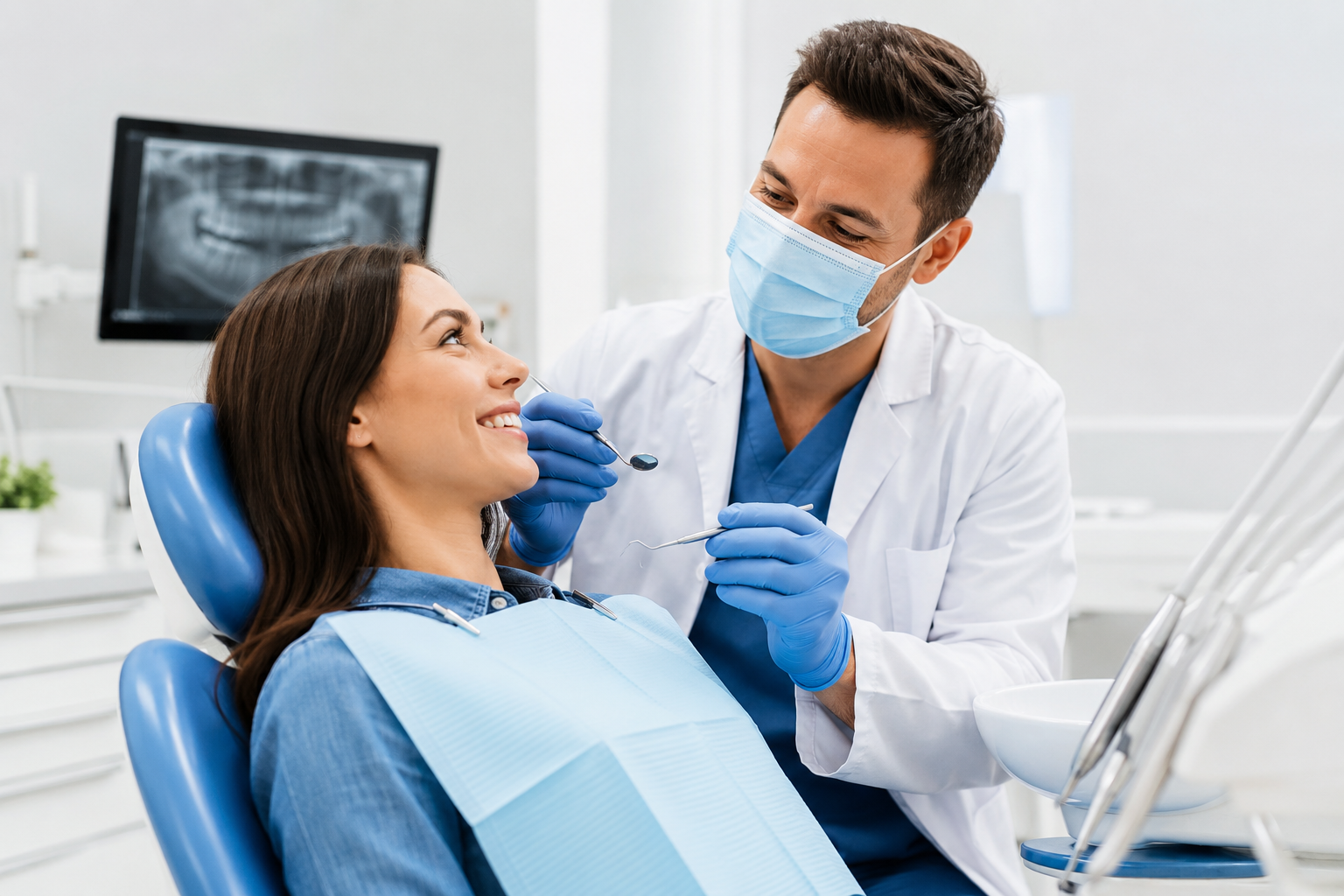
Thinking about affordable veneers in Merritt Island can feel hopeful and practical at the same time. You can achieve a natural-looking, longer-lasting smile without overspending by exploring local veneer options, flexible financing, and modern, minimally invasive techniques.
They will explain what veneers are, why many choose them in Merritt Island, and how to find a dentist who balances skill and cost. Expect clear steps on the treatment process, everyday care tips, common concerns, and when alternatives might work better, so you can decide with confidence.
What Are Dental Veneers?
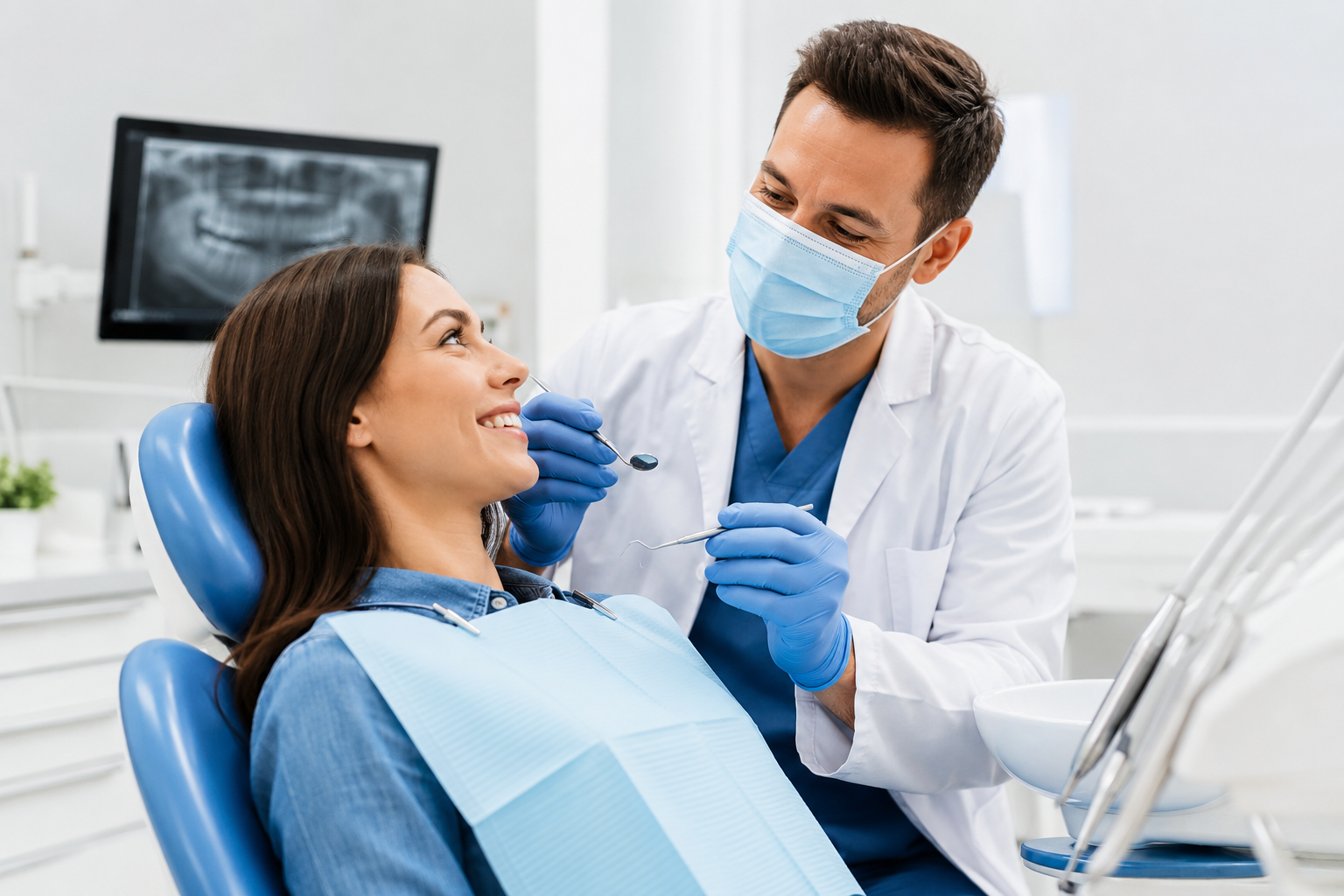
Dental veneers are thin shells bonded to the front of teeth to change appearance, shape, or color. They address chips, gaps, stains, and mild alignment issues with a conservative approach compared with full crowns.
How Veneers Improve Your Smile
Veneers directly cover aesthetic problems on visible teeth, most often the upper front six to eight teeth. They can close small gaps, lengthen worn teeth, reshape uneven edges, and mask deep intrinsic stains that whitening cannot remove.
The dentist will evaluate bite, enamel thickness, and gum health first. Preparation usually involves removing a small amount of enamel—often 0.3–0.7 mm—so the veneer sits flush and preserves natural contours.
Porcelain and composite options produce different outcomes: porcelain mimics light like natural enamel and resists staining, while composite can be placed in one visit and repaired easily.
Patients typically see immediate cosmetic improvement after placement, and with proper care veneers can last 10–20 years for porcelain and 5–10 years for composite.
Materials Used in Veneers
Porcelain (ceramic) veneers offer a lifelike translucency and strong stain resistance. Labs custom-mill or layer porcelain to match shade and anatomy, making them the preferred choice for long-term esthetics.
Composite resin veneers are applied directly or fashioned in a lab from resin. They require less tooth reduction and cost less upfront, but they stain and chip more easily than porcelain. Repairs are straightforward and inexpensive.
Zirconia is less common for thin front veneers because it’s opaque, but newer high-translucency ceramics can be used when additional strength is needed.
Material choice depends on the tooth’s position, the patient’s bite forces, budget, and goals; the dentist will present pros and cons and show before-and-after photos to guide decisions.
Who Is a Good Candidate?
Ideal candidates have healthy gums and sufficient enamel to bond veneers securely. People with untreated decay, active gum disease, or bruxism need those issues managed first.
Veneers suit patients seeking cosmetic fixes for discoloration, minor crowding, or chipped teeth who prefer a conservative alternative to crowns or orthodontics.
Those with severe misalignment, weakened teeth, or very thin enamel may require orthodontic treatment or crowns instead. Smokers and heavy coffee or red wine drinkers should know staining risks—porcelain resists stains but surrounding natural teeth may discolor.
A diagnostic appointment with X-rays, models, and possibly a digital mock-up helps determine candidacy and creates a tailored plan.
Benefits of Choosing Veneers in Merritt Island
Veneers in Merritt Island improve the look of teeth, correct minor alignment or spacing issues, and provide a durable cosmetic solution that suits local lifestyles and climates.
Aesthetic Advantages
Porcelain veneers recreate natural tooth translucency and shade, often matching adjacent teeth within a single shade step. Patients can choose custom shapes to correct chips, close small gaps, or lengthen worn teeth, producing a synchronized, bright smile without altering every tooth.
Local practices offer digital smile design and mock-ups so patients preview results before committing. Using high-quality ceramics resists staining from coffee and Florida sun exposure better than composite veneers. Minimal-prep options preserve more enamel, keeping teeth stronger while achieving major cosmetic improvement.
Boosting Self-Confidence
A renewed smile often changes how patients approach social and professional situations. After veneers, many report feeling more willing to smile in photos, speak in meetings, or date with less anxiety about tooth appearance.
Dentists in Merritt Island focus on natural-looking results that fit facial features, avoiding an overly uniform or artificial look. They also coordinate treatment with in-office whitening for surrounding teeth so the veneer blend appears seamless and boosts confidence without obvious cosmetic work.
Long-Term Value
High-quality porcelain veneers typically last 10–15 years with proper care, making them a cost-effective aesthetic choice compared with repeated bonding or crowns. Routine dental check-ups, daily brushing with non-abrasive fluoride toothpaste, and nightguards for grinders extend longevity.
Many local clinics provide tiered pricing, financing, and maintenance plans to spread cost and protect the investment. When placed by experienced cosmetic dentists using precision techniques, veneers minimize future restorative work while delivering predictable, repeatable outcomes.
Affordable Options for Every Budget
This section explains realistic price ranges, financing choices, and insurance points to help patients in Merritt Island make informed veneer decisions without surprises. It focuses on concrete costs, typical payment plans, and what insurance commonly covers.
Cost Comparison of Veneer Types
Porcelain veneers typically range from $900 to $2,000 per tooth in Merritt Island, depending on the lab, dentist’s experience, and whether they use same-day CAD/CAM systems. Porcelain lasts 10–15 years or longer with good care and resists staining better than composite.
Composite veneers usually cost $250 to $800 per tooth and can be completed in one visit. They are less durable than porcelain, typically lasting 5–7 years, but repairs are simpler and cheaper when chips or discoloration occur.
Pressed-ceramic or lithium disilicate veneers fall between porcelain and composite in price and strength, often $700–$1,500 per tooth. Dental practices may offer bundled pricing for smile makeovers (e.g., sets of 6 or 8 veneers), which can reduce per-tooth cost by 10–25%.
Payment Plans and Financing
Many Merritt Island practices partner with third-party lenders like CareCredit, LendingClub, or in-house payment plans that split costs over 6–24 months with low or zero interest for qualified applicants. Patients should compare APR, monthly payment, and total repayment before choosing a plan.
Dentists often offer flexible scheduling to spread treatment across visits, lowering upfront expense (e.g., doing 2–3 veneers per appointment). Ask the office for written quotes that separate lab fees, preparatory work (like bonding or temporary crowns), and follow-up visits to avoid surprise charges.
Some practices provide membership plans for uninsured patients that include preventive care plus discounts on restorative work; these can effectively reduce veneer costs over time for regular patients. Always verify credit requirements and read the finance agreement carefully.
Dental Insurance Considerations
Most dental insurance companies classify veneers as cosmetic, which means they often do not cover elective veneer procedures. Patients should review their policy or call their insurer to confirm whether coverage applies for veneers tied to functional issues (e.g., restoring tooth structure after trauma).
If insurance denies full veneer coverage, partial reimbursement may be possible when the dentist documents medical necessity. Request an estimate with CDT codes (e.g., D2999 for unspecified restorative procedure) so the insurer can pre-authorize benefits when applicable.
Keep records of all treatment notes and x-rays. Submitting a predetermination or preauthorization can clarify potential coverage before treatment starts and prevent unexpected out-of-pocket costs.
Understanding the Treatment Process
This section explains how the dentist evaluates candidacy, plans the veneer case, places veneers step by step, and what patients typically experience during healing and adjustment. It highlights appointment flow, timeline, materials used, and common comfort and care tips.
Consultation and Planning
The first visit includes a clinical exam, intraoral photos, and digital X-rays to assess tooth structure, bite, and gum health. The dentist discusses goals — color, shape, and number of veneers — and records impressions or uses an intraoral scanner to create a digital model.
They review options: porcelain veneers for stain resistance and longevity, or composite veneers for lower cost and quicker turnaround. The team checks for underlying issues like tooth decay, weakened enamel, or bruxism that must be treated before veneer placement.
A treatment plan lists tooth preparations, estimated appointments (usually two to three), and cost breakdown including temporary veneers and lab fees. The dentist provides a shade guide and often creates a diagnostic wax-up or digital mockup so the patient can preview expected results.
Step-by-Step Placement Procedure
At the preparation appointment, the dentist removes about 0.3–0.7 mm of enamel per tooth to make room for veneers. Local anesthesia is used when needed, keeping the procedure comfortable.
After preparation, the clinician takes precise impressions or a final digital scan and sends them to the dental lab. Temporary veneers are placed to protect teeth and let the patient evaluate shape and color for a week or two.
When lab-made porcelain veneers return (typically 1–3 weeks), the dentist tries them in, checks fit, shade, and bite, and makes minor adjustments. Each tooth is cleaned, etched, and a bonding agent applied; veneers are then cemented individually with a light-curing resin and final margins polished.
What to Expect During Recovery
Immediately after placement, mild sensitivity to hot and cold is common for a few days; over-the-counter analgesics usually control discomfort. Gums may feel tender where they were handled, but this resolves within a week in most cases.
Patients should avoid very hard or sticky foods for 48–72 hours and refrain from biting directly with front teeth on hard items. Good oral hygiene — brushing twice daily with a non-abrasive toothpaste and flossing gently at the margins — helps prevent decay and gum inflammation.
Follow-up visits at two weeks and six months confirm fit, bite, and gum health. For patients who grind their teeth, the dentist often recommends a nightguard to protect veneers and prolong their lifespan.
Finding the Right Dentist on Merritt Island
Patients should prioritize a dentist who combines porcelain veneer experience, clear pricing, and patient-centered care. Look for verifiable before-and-after cases, transparent financing, and a practice that explains risks and alternatives plainly.
Qualities to Look For
They should choose a dentist with specific veneer experience, ideally a minimum of 3–5 years placing porcelain veneers and a portfolio of local before-and-after photos. Membership in professional organizations (ADA, AACD) and continuing-education certificates in cosmetic dentistry indicate ongoing skill development.
Clinic features matter: an on-site lab relationship or CAD/CAM technology speeds fabrication and improves fit; in-house sedation options and clear post-op protocols support anxious patients. Read patient reviews that mention natural-looking results, communication, and appointment punctuality. Verify state dental board status for license standing and any disciplinary history.
Questions to Ask During Your Visit
Ask for the dentist’s exact veneer count last year and to see recent case photos that match the intended result. Request a step-by-step outline of the treatment plan: tooth preparation, temporary veneers, lab timeline, and follow-up schedule.
Clarify total cost, what’s included (prep, temporaries, lab fees, adjustments), and available financing or insurance-friendly options. Ask about material choices (feldspathic, lithium disilicate, zirconia), estimated lifespan, and typical repair vs. replacement scenarios. Confirm anesthesia choices, sensitivity management, and what to expect in the first 48–72 hours.
Everyday Care and Maintenance
Daily habits make veneers last longer and keep them looking natural. Simple steps—consistent brushing, flossing, and avoiding certain foods—protect the bond and the porcelain surface.
Oral Hygiene Tips
Brush twice daily with a soft-bristle toothbrush and non-abrasive fluoride toothpaste to avoid scratching porcelain. Use gentle, circular motions along the gumline and around the veneer margins to remove plaque where the restoration meets natural tooth.
Floss once daily, sliding the floss up and down alongside each tooth rather than snapping it through. If floss threads catch, use waxed floss or a floss threader to protect the veneer edges and the cement line.
Rinse with an alcohol-free, fluoride mouthwash after meals when brushing isn’t possible to reduce bacteria and strengthen enamel on adjacent teeth. Schedule professional cleanings every 3–6 months; the hygienist will use non-abrasive polishing pastes and check margins for decay or fit issues.
Protecting Your Veneers
Avoid biting directly into very hard foods like ice, unpopped popcorn kernels, or whole hard candy; cut hard fruits and vegetables into manageable pieces instead. Do not use teeth as tools to open packages or tear tags—this stresses the porcelain and the thin adhesive layer.
If the patient grinds or clenches teeth, the dentist may recommend a custom night guard to prevent chipping and reduce adhesive fatigue. Wear a sports mouthguard for contact activities to protect veneers and natural teeth from impact.
Avoid prolonged exposure to strong staining agents—coffee, red wine, and tobacco—by rinsing or brushing shortly after consumption. If staining occurs on adjacent natural teeth, the dentist can perform targeted whitening so color matches remain consistent.
Common Concerns and Misconceptions
Patients often worry about how veneers will look and how long they will last. Clear facts about aesthetics, feel, maintenance, and realistic lifespan help set proper expectations.
Natural Look and Feel
Many assume veneers always look artificial, but modern porcelain and composite materials mimic natural enamel closely. Experienced Merritt Island dentists match shade, translucency, and shape to surrounding teeth, producing a seamless result that blends in when speaking or smiling.
Sensitivity concerns are common. Minimal enamel removal is typical for porcelain veneers; local anesthesia during preparation and a brief adjustment period afterward usually prevent lasting discomfort. Temporary veneers often protect teeth while the lab fabricates the final restorations.
Patients also worry about speech changes. Properly sized veneers rarely affect speech; minor lisps that appear immediately after placement usually resolve within days as the tongue and lips adapt. Bite adjustments during the try-in stage further reduce the chance of persistent problems.
Durability and Longevity
Veneer lifespan depends on material, care, and habits. Porcelain veneers typically last 10–15 years with good oral hygiene and regular dental visits; high-quality composite may last 5–7 years. Avoiding hard bites, nail-biting, and using a night guard for grinding extends longevity.
Repair and replacement are manageable. Small chips in composite veneers can often be repaired in one visit, while porcelain chips usually require replacement of the veneer. Insurance rarely covers elective cosmetic work, so patients should plan for long-term costs and discuss financing options with their Merritt Island provider.
Maintenance focuses on prevention: twice-daily brushing with a non-abrasive fluoride toothpaste, daily flossing, and six-month dental checkups. These simple routines preserve the bond between veneer and tooth and help detect issues early.
When to Consider Alternatives
Patients should weigh the cost, tooth structure, and long-term goals before choosing veneers. Less invasive or more affordable options often meet cosmetic needs without sacrificing dental health.
Minor Cosmetic Corrections
If discoloration responds to whitening, a professional bleaching treatment can brighten teeth by several shades without removing enamel. Tooth whitening suits tetracycline stains poorly, but for yellowing from coffee, smoking, or aging, in-office whitening or take-home trays offers significant improvement at a lower cost than veneers.
For small chips, rough edges, or tiny gaps, dental bonding uses composite resin matched to tooth color. Bonding requires minimal tooth preparation, costs less than veneers, and can be completed in one visit. It’s not as stain-resistant or long-lasting as porcelain, so expect maintenance every 5–10 years depending on habits like smoking or teeth grinding.
Orthodontic alternatives such as clear aligners correct mild crowding or spacing that veneers would otherwise mask. Aligners preserve natural enamel, address bite issues, and improve function, but they take longer than cosmetic fixes. A consultation will determine if whitening, bonding, or aligners better match cosmetic goals and budget.
Addressing Underlying Dental Issues
Veneers suit healthy teeth; when decay, gum disease, or weakened enamel exist, those conditions must be treated first. Restorative work like fillings, root canals, or periodontal therapy stabilizes the mouth and prevents veneer failure. For example, moderate decay under a proposed veneer often requires a crown instead of a veneer to restore strength.
Bruxism (teeth grinding) damages veneers and natural teeth alike. Managing bruxism with a nightguard, occlusal adjustment, or behavioral strategies reduces fracture risk and improves long-term outcomes. Severe enamel erosion from acid reflux or bulimia may call for full-coverage crowns rather than veneers to rebuild tooth structure.
If bite misalignment or missing teeth affect function, implants, crowns, or orthodontics address those core problems before cosmetic work. Dentists will often propose a staged plan: treat disease, restore function, then pursue veneers if appropriate. A thorough exam, X-rays, and bite analysis guide the right sequence of care.
Taking the Next Step Toward Your New Smile
Patients who choose veneers in Merritt Island often begin with a simple consultation to review goals, budget, and options. The dentist evaluates oral health, discusses material choices, and outlines a timeline so expectations stay realistic.
They receive a clear cost estimate and financing options when needed. Typical choices include payment plans, third-party financing, or bundled treatment pricing to make veneers more affordable.
A brief checklist helps patients prepare for the first visit:
- Bring dental insurance information and a list of medications.
- Note cosmetic concerns and any photos of smiles they like.
- Prepare questions about durability, maintenance, and follow-up visits.
Most veneer cases require two to three appointments; the process usually includes preparation, impression or digital scan, and final placement. Labs often craft veneers within one to two weeks, and many practices offer temporary restorations to protect teeth in the meantime.
Aftercare focuses on gentle cleaning and routine dental visits. With proper hygiene and occasional polishings, veneers can look natural for years, and minor repairs are often simple.
They are encouraged to schedule a consultation to review personalized options and costs. Contact information and office hours make it easy to book an appointment or request a virtual visit.
Frequently Asked Questions
This section answers common cost, material, comfort, longevity, and cosmetic questions about veneers in Merritt Island, FL. It gives concrete price ranges, treatment steps, financing options, and realistic expectations for results and maintenance.
How much do veneers usually cost, and what factors can change the price?
Veneer costs in Merritt Island typically range from $800 to $2,500 per tooth. The final price depends on material (composite vs porcelain), the dentist’s experience, lab fees, and whether preparatory work (like fillings, gum reshaping, or root canals) is required.
Additional factors that raise cost include full-mouth cases, custom shading, and use of high-end dental labs. Insurance rarely covers elective veneers, so patients often pay out-of-pocket or use financing.
What’s the difference between porcelain veneers and composite veneers, and which one is right for me?
Porcelain veneers are thin ceramic shells bonded to teeth; they resist stains and mimic natural enamel. They usually cost more but last longer (10–15+ years) and offer superior translucency.
Composite veneers use tooth-colored resin applied and shaped chairside; they cost less and can be completed in one visit. They suit patients on a budget or those needing minor cosmetic fixes, but they stain and chip more easily.
Are there financing or payment plan options to help make veneers more budget-friendly?
Many Merritt Island dental practices offer in-house payment plans that split costs over several months. Third-party medical financing companies (like CareCredit) provide 6–24 month plans, sometimes with low or no interest if paid within promotional periods.
Practices often bundle treatment into phased plans—treating front teeth first and completing others later—to spread costs. Patients should request a written estimate and compare interest rates and total repayment amounts.
Do veneers hurt, and what can I expect during the appointment and recovery?
Most patients feel minimal discomfort due to local anesthesia during tooth preparation and bonding. For porcelain veneers, the dentist typically removes a thin enamel layer; that can cause temporary sensitivity for a few days to a few weeks.
Composite veneers usually require less or no enamel removal, so recovery is quicker. Over-the-counter pain relievers and avoiding very hot or cold foods for a short period usually manage any sensitivity.
How long do veneers typically last, and what can I do to help them last longer?
Porcelain veneers commonly last 10–15 years with proper care; composite veneers last about 5–7 years. Longevity depends on oral hygiene, bite forces, and habits like nail-biting or opening packages with teeth.
Daily brushing with a non-abrasive toothpaste, flossing, wearing a nightguard for grinding, and six-month dental checkups extend veneer life. Report chips, looseness, or sensitivity promptly to the dental office.
Can veneers fix chips, gaps, or uneven teeth without braces?
Yes — veneers can close small to moderate gaps, cover chips, and correct minor misalignment for a more even smile. They change tooth shape and color quickly and often eliminate the need for braces when misalignment is mild.
Larger orthodontic issues, severe bite problems, or functional concerns may still require braces or clear aligners before veneers. A consultation with a Merritt Island dentist will determine whether veneers alone can meet cosmetic and functional goals.