
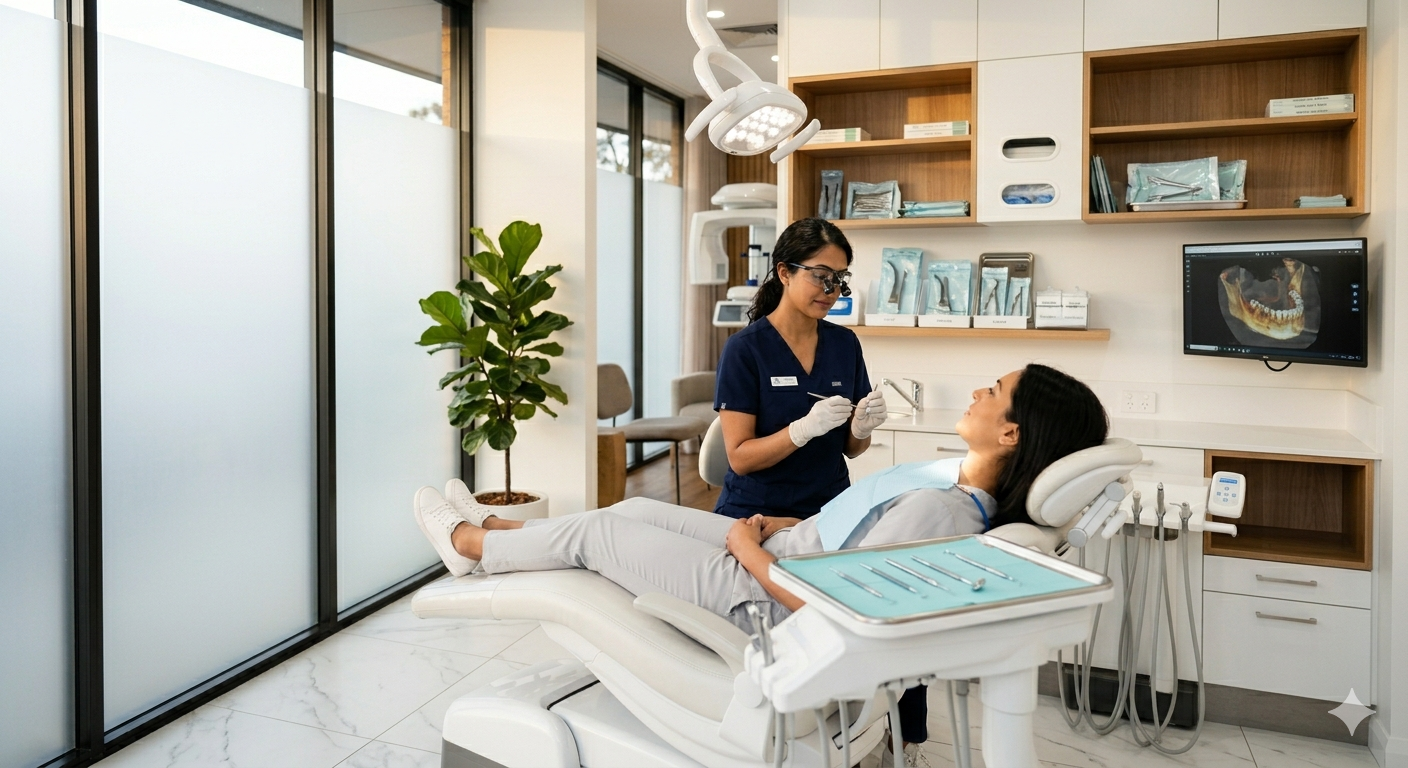
When a dental emergency strikes in Merritt Island, knowing where to turn can make all the difference. Whether it’s a sudden toothache, a broken crown, or an injury from an accident, quick and reliable care is essential to prevent further damage and pain.
Emergency dental care in Merritt Island is designed to provide fast, effective treatment that relieves discomfort and protects your oral health. Local clinics offer flexible hours and experienced professionals ready to handle urgent issues with gentle, modern care.
People often worry about what counts as a true emergency and where to find help after hours. This article will explain common dental emergencies, what steps to take immediately, and how Merritt Island dental providers ensure patients feel supported every step of the way.
Recognizing Dental Emergencies
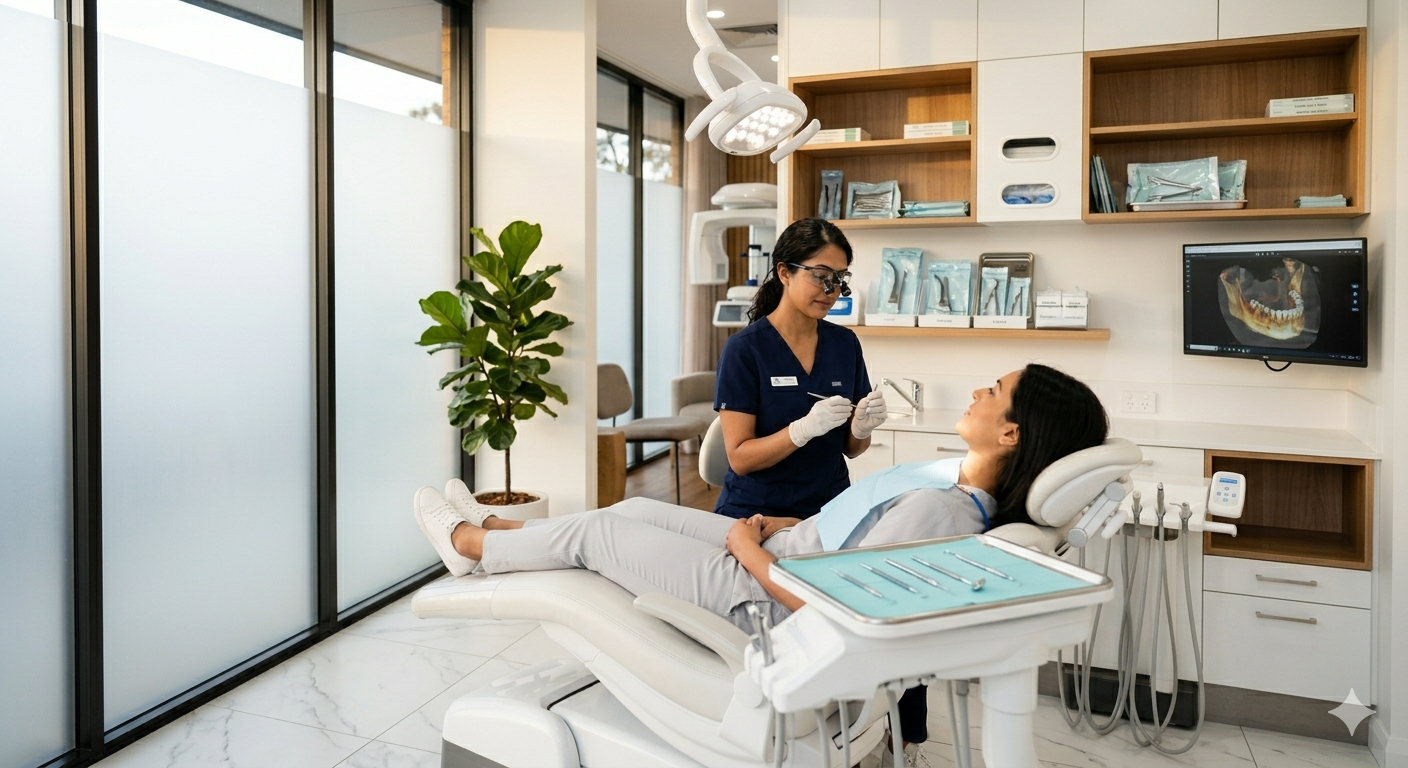
Knowing the warning signs and types of dental emergencies can help people act quickly and avoid worsening problems. It’s important to understand when discomfort requires immediate professional care versus a scheduled visit. Clear criteria guide when to get urgent treatment to protect dental health effectively.
Common Signs You Need Urgent Care
Signs like severe toothache, uncontrollable bleeding, and swelling around the mouth are clear indicators for urgent dental care. Persistent pain that doesn’t ease with over-the-counter medication often means infection or nerve damage.
Loose or knocked-out teeth require quick attention to increase the chance they can be saved. Difficulty breathing or swallowing due to oral swelling signals a serious problem and needs immediate care.
Other symptoms include visible broken tooth fragments, exposed roots, or fever accompanying mouth pain. If any of these occur, it’s best to contact a dental professional promptly to prevent further complications.
Types of Dental Emergencies
Dental emergencies range from sudden trauma, like a knocked-out tooth, to severe infections causing swelling and pain. Cracked or broken teeth from accidents can expose sensitive nerves, leading to quick decay or infection.
Tooth abscesses are infections that cause swelling, fever, and intense pain. Ignoring these can lead to widespread infection. Lost fillings or crowns are less urgent but still need timely repair to avoid tooth damage.
Soft tissue injuries—cuts or lacerations in gums, tongue, or cheeks—may require stitches and professional cleaning to prevent infection. Each situation benefits from prompt assessment and care tailored to the injury type.
When to Seek Immediate Help
Immediate help is crucial if there is uncontrolled bleeding that won’t stop after 10 minutes of gentle pressure. A tooth that is completely knocked out should be handled carefully; the person should rinse it and attempt to reinsert it if possible, then get to a dentist immediately.
Difficulty breathing or swallowing caused by oral trauma or swelling signals a medical emergency. Severe pain that suddenly worsens or is accompanied by fever indicates infection needing urgent treatment.
If a broken tooth causes sharp edges that cut the inside of the mouth, urgent dental attention can prevent infection and further tissue damage. Acting fast improves the chances of saving teeth and avoiding complex procedures later.
Immediate Steps to Take at Home
When dental emergencies happen, quick actions at home can reduce pain and increase chances of saving the tooth. Simple, targeted care helps control discomfort, protect damaged teeth, and prevent further injury before professional treatment.
Managing Pain and Swelling
To ease pain, using over-the-counter pain relievers like ibuprofen can be effective. It’s important to follow dosage instructions and avoid aspirin directly on gums, as it can cause irritation.
Applying a cold compress or ice pack to the cheek near the affected area helps reduce swelling and numbs pain. Use the compress in 15-minute intervals with breaks to avoid skin damage.
Rinsing the mouth gently with warm salt water can also clean wounds and soothe irritated tissues. Avoid hot drinks, which might worsen pain, and don’t apply heat, which can increase swelling.
Protecting a Knocked-Out Tooth
If a tooth is knocked out, time is critical for saving it. Locate the tooth carefully by the crown (the chewing surface) without touching the root to prevent damage.
Rinse the tooth gently with water if dirty, but do not scrub or remove any attached tissue fragments. Then, try to place the tooth back into the socket immediately if possible.
If reinsertion isn’t possible, keep the tooth moist by storing it in a container of milk or a tooth preservation product. Avoid dry storage or water, which can kill the root cells.
Handling Broken or Chipped Teeth
For a chipped tooth, rinse the mouth with warm water and use gauze to stop bleeding if necessary. Applying a cold compress helps with swelling and reduces pain.
Save any broken fragments if possible and bring them to the dentist. These pieces might be reattached depending on the damage.
Avoid chewing on the damaged side and stick to soft foods to prevent further injury. Over-the-counter pain medication can control discomfort until professional care is available.
How Local Dentists Help in a Crisis
Local dentists provide quick access, accurate diagnosis, and gentle care during dental emergencies. Their combination of timely service, advanced technology, and patient comfort ensures you receive effective relief when it matters most.
Same-Day Appointments
Many Merritt Island dental offices prioritize emergency patients by offering same-day appointments. This reduces waiting time, which is crucial when dealing with severe pain, swelling, or trauma.
Patients can call early in the day to secure a slot or walk in during designated emergency hours. The goal is to begin treatment immediately—whether it’s pain relief, infection control, or temporary repair—preventing further damage or discomfort.
Same-day visits also allow dentists to create a clear treatment plan fast, so patients know what to expect next and can avoid unnecessary stress.
Modern Diagnostic Tools
Dentists in Merritt Island use up-to-date diagnostic equipment like digital X-rays and 3D imaging. These tools help detect fractures, abscesses, and other hidden problems quickly and with minimal discomfort.
Digital radiography reduces exposure to radiation and produces instant images. This speeds up diagnosis, so dentists can decide on the best course of action right away.
Technology also supports precise treatment, ensuring that emergency care is targeted and conservative, preserving as much natural tooth structure as possible.
Comfort Measures During Treatment
Emergency dental visits often involve discomfort, but local dentists in Merritt Island prioritize patient comfort throughout the process. They use effective numbing techniques and may offer sedation options for anxious patients.
Alongside pain management, many clinics maintain a calm environment with friendly staff who explain each step clearly. This approach helps reduce fear and confusion that can come with unexpected dental problems.
After treatment, dentists provide clear aftercare instructions and follow-up support, ensuring patients feel cared for beyond the chair.
Preparing for an Emergency Dental Visit
Being prepared for an emergency dental visit helps make the process smoother and less stressful. Bringing the right items and knowing what to ask can improve communication and speed up care.
What to Bring With You
Patients should bring a valid photo ID and their dental insurance card if available. Having previous dental records or X-rays can be very helpful for the dentist to understand the history of the problem.
Bringing a small container with any broken tooth fragments can aid in restoration. It’s also wise to carry a list of current medications and any known allergies.
If pain relief is needed before the appointment, over-the-counter painkillers like ibuprofen can be useful. Patients should avoid eating if they expect a procedure to ensure readiness for treatment.
Questions to Ask Your Dentist
Asking clear questions helps patients understand their condition and care plan. Important questions include:
- What is causing the dental emergency?
- What treatment options are available?
- Are there any risks or side effects to the recommended treatment?
It’s also helpful to ask about pain management during and after the visit. Patients should inquire about follow-up care and how to prevent similar emergencies in the future. Getting clear instructions on what to do at home ensures a smoother recovery.
Advanced Treatment Options Available in Merritt Island
Emergency dental care in Merritt Island includes a range of modern treatments designed to reduce discomfort quickly and restore dental health effectively. These options focus on minimizing pain and repairing damage to help patients recover comfortably and confidently.
Pain-Free Procedures
Dentists in Merritt Island prioritize patient comfort, using advanced anesthesia techniques such as local numbing agents and sedation options. This ensures that even urgent treatments like tooth extractions or root canals are as pain-free as possible.
Laser dentistry is also popular, reducing the need for drills and minimizing tissue damage. This technology promotes faster healing and lowers the risk of infection. Patients often report feeling less anxiety knowing these gentle methods are available.
The goal is to make emergency visits less stressful, especially when pain is already present. By offering individualized care and modern pain management, Merritt Island dental offices provide relief right when it’s needed most.
Restorative Solutions for Damaged Teeth
For teeth damaged by trauma or decay, Merritt Island dental clinics offer a variety of durable restorations. These include dental crowns, which cap and protect weakened teeth, and composite fillings that match natural tooth color for discreet repair.
In cases of severe damage, root canal therapy can save the tooth and eliminate infection. When a tooth cannot be preserved, dental implants provide a long-lasting replacement that functions like a natural tooth.
Dentists also provide same-day restorations using CAD/CAM technology, which allows crowns or bridges to be designed and placed quickly. This reduces multiple visits and helps patients regain full function faster.
These treatments aim to restore both appearance and chewing ability, so patients can return to normal life with confidence.
Proactive Tips for Avoiding Dental Emergencies
Taking care of teeth daily and protecting them during activities can significantly reduce the chance of emergencies. Simple habits and the right gear go a long way in keeping your smile safe.
Everyday Habits for Healthy Teeth
Brushing twice a day with fluoride toothpaste helps prevent cavities and weak spots that lead to cracks or breaks. Flossing once daily removes food particles and plaque between teeth where brushes can’t reach.
Regular dental checkups allow dentists to catch issues early before they turn into emergencies. Avoid biting hard objects like ice, popcorn kernels, or pens, which can chip or crack teeth.
Eating a balanced diet rich in calcium and limiting sugary snacks supports strong enamel. Drinking plenty of water also helps by washing away acids and bacteria after meals.
Protecting Your Smile During Sports
Wearing a properly fitted mouthguard is essential when playing contact or high-impact sports. A custom mouthguard from a dental office offers better protection and comfort compared to generic ones.
It’s important to always use face protection like helmets or masks during activities such as football, hockey, or skateboarding. These protect both teeth and jaw in case of falls or collisions.
Avoid chewing on items like sticks or mouthpieces not designed for sports to reduce risk of accidental tooth damage. Teaching children to take care of their protective gear ensures it stays effective.
Supporting Your Family’s Dental Health
Caring for your family’s dental health starts with simple daily habits. Brushing twice a day with fluoride toothpaste and flossing regularly helps keep teeth strong and gums healthy.
Scheduling routine checkups allows the dentist to catch problems early. These visits are also a great time to discuss any concerns, like tooth sensitivity or pain.
In emergencies, knowing where to go for prompt care can make all the difference. Merritt Island offers dental clinics equipped to handle urgent issues such as chipped teeth, severe pain, or infections.
Families benefit from education on healthy eating habits, too. Limiting sugary snacks and drinks reduces the risk of cavities across all ages.
Dental care can feel less stressful when everyone understands what to expect. Encouraging children to ask questions builds comfort and familiarity with the dentist’s office.
Tips for Supporting Your Family’s Dental Health:
| Action | Why It Helps |
|---|---|
| Regular dental visits | Early detection and prevention |
| Daily brushing & flossing | Removes plaque and prevents decay |
| Healthy snacks | Reduces cavity risk |
| Emergency plan | Quick care limits complications |
A trusted local dentist can guide families through both routine care and emergencies. Encourage your loved ones to reach out with any questions or concerns to maintain smiles that last.
Next Steps: Partnering with a Local Dental Team
Finding a trusted dental team in Merritt Island is key to managing emergency dental care smoothly. A local dentist who understands your needs can provide timely treatment and personalized follow-up care.
When choosing a dental practice, look for these qualities:
- Quick response times for emergencies
- Comfortable, patient-focused environment
- Use of modern technology for accurate diagnosis and effective treatment
It helps to have your emergency dentist on speed dial before an issue arises. Many local offices offer flexible hours or after-hours support, giving you peace of mind when unexpected problems happen.
Building a relationship with your dental team means they’ll know your history and preferences. This familiarity can reduce stress during emergencies and improve long-term oral health outcomes.
Encourage patients to ask about preventive care options during regular visits. Simple steps like routine cleanings and early cavity detection can prevent many urgent situations.
If a dental emergency does happen, the local team will guide you through your options, explaining procedures clearly and easing any worry.
Taking these steps makes dental emergencies less daunting and puts patients in control of their oral health journey.
Frequently Asked Questions
Knowing when to seek immediate dental care can prevent complications and ease pain quickly. Acting promptly and understanding the right steps for injuries or infections can make a big difference.
How can I tell if my tooth pain is a true emergency or something that can wait until tomorrow?
Severe pain that won’t subside, swelling, fever, or persistent bleeding are signs of a true emergency. Mild discomfort or sensitivity that doesn’t worsen overnight can usually wait for a next-day appointment.
What should I do right away if I chip, crack, or knock out a tooth?
Rinse your mouth gently with warm water and try to save any broken pieces. For a knocked-out tooth, place it in milk or saline and visit a dentist immediately—it may be possible to reattach it if treated quickly.
If my face is swelling or I think I have a tooth infection, what are the safest next steps?
Swelling and signs of infection require fast professional care to prevent spread. Avoid touching the area, rinse gently with salt water, and see an emergency dentist or visit urgent care if swelling is severe.
What can urgent care or the ER actually do for a dental problem, and when should I go there instead of a dentist?
Urgent care or the ER can manage pain, swelling, or bleeding but usually cannot provide definitive dental treatments like extractions or fillings. Go to the ER if you have severe facial trauma, difficulty breathing, or uncontrollable bleeding.
How quickly can I be seen for an emergency visit, and what information should I have ready when I call?
Emergency dental offices often offer same-day appointments. Have your symptoms, any recent dental history, and personal contact info ready when you call to speed up triage and scheduling.
What are my options if I need urgent dental treatment but I’m worried about the cost?
Many dental offices provide payment plans, sliding scale fees, or emergency financing to help. Calling ahead to discuss your financial concerns can also guide you toward affordable care options.