
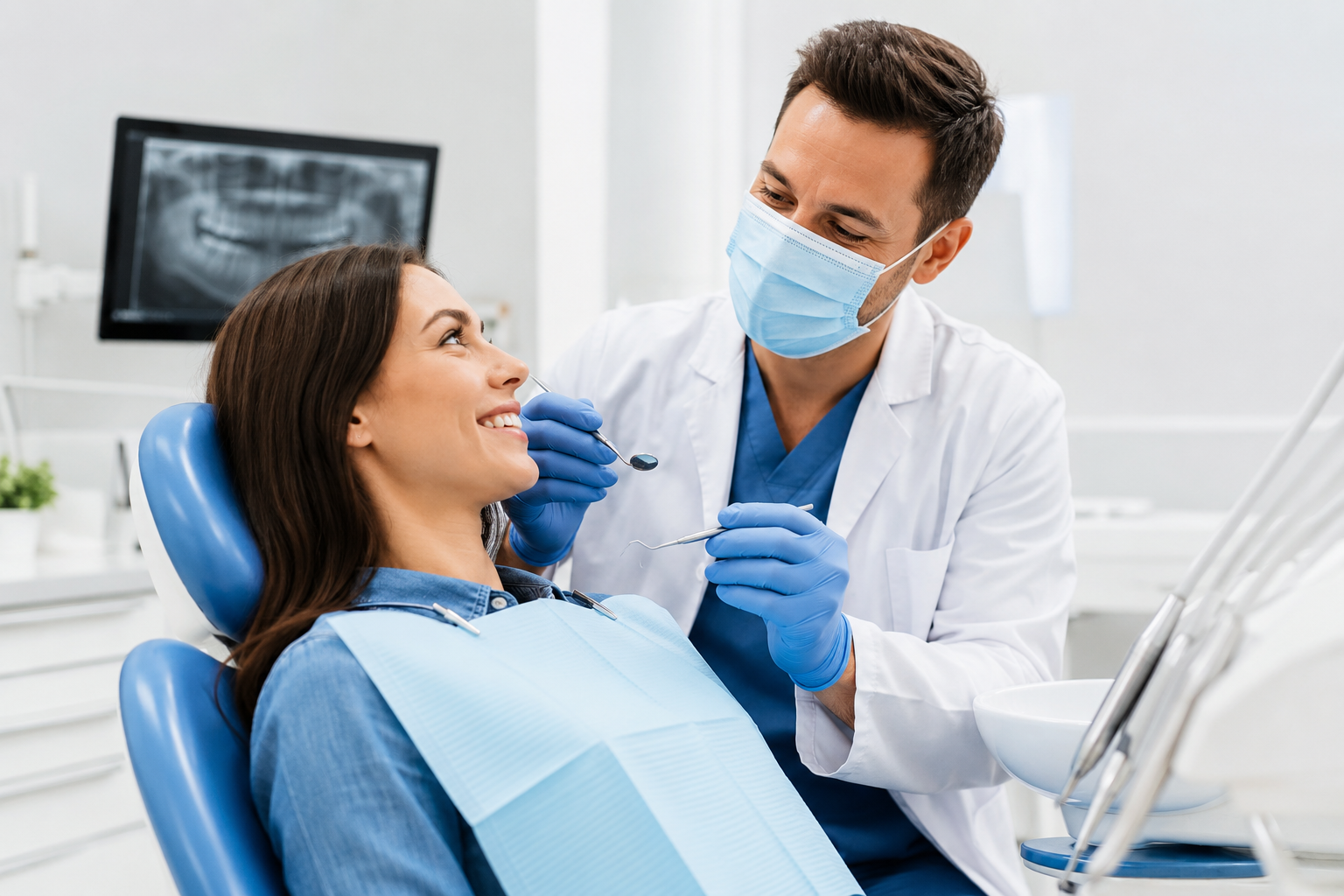
You’ll feel confident choosing a family dentist in Merritt Island, FL when you know they handle every age and every smile with gentle, modern care. A local family dentist offers comprehensive services — from routine cleanings and sealants for kids to restorative work and cosmetic options for adults — so your whole household can get care under one roof.
They focus on tailored treatment plans that match each person’s needs and comfort level, using advanced technology to shorten visits and improve outcomes. Expect a welcoming office, clear explanations, and practical tips for preventive care that make dental visits less stressful and more effective.
Comprehensive Dental Care for the Whole Family
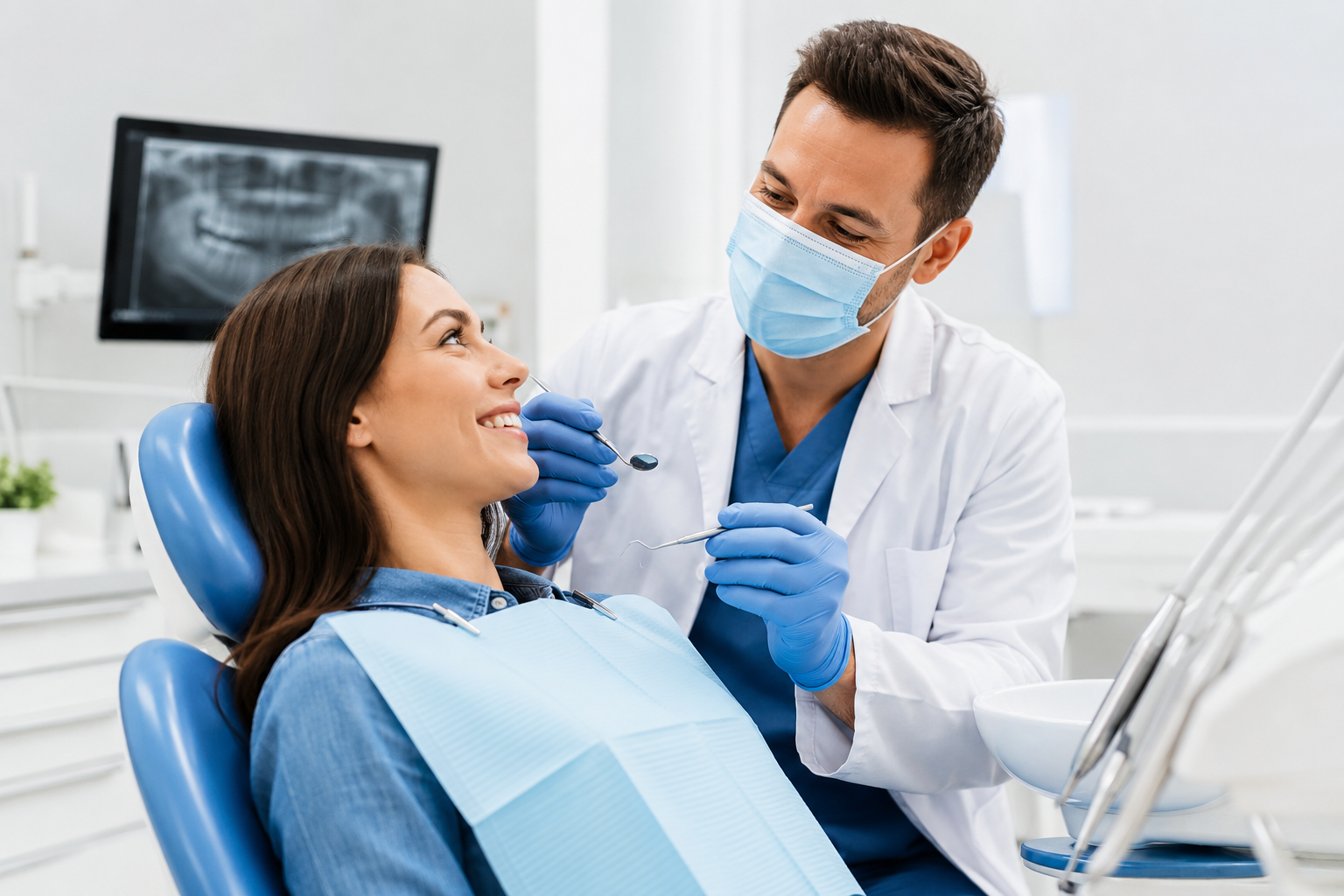
The practice provides preventive exams, cleanings, fluoride and sealants, plus age‑appropriate restorative and cosmetic treatments. It emphasizes comfort, clear explanations, and care plans that fit school, work, and family schedules.
Preventive Services for All Ages
The office schedules routine exams and professional cleanings every six months to reduce cavities and gum disease risk. They use digital X‑rays and intraoral cameras to catch issues early with lower radiation and clear visuals for patients.
Fluoride treatments and dental sealants are offered for children and adults with high decay risk. The hygienist provides personalized oral hygiene coaching, showing proper brushing and flossing techniques and recommending specific toothpaste or interdental tools.
Patients receive individualized risk assessments for cavities and periodontal disease. The dentist creates a written prevention plan that lists recommended recall intervals, at‑home care steps, and any needed preventive restorations.
Gentle Pediatric Dentistry
The team greets children with a calm, child‑friendly approach and exam rooms designed to reduce anxiety. Appointments include a gentle oral exam, cleaning when possible, and behavior‑management techniques like tell‑show‑do and positive reinforcement.
For infants and toddlers the focus is on eruption monitoring and anticipatory guidance for feeding, pacifier use, and teething. For older children they provide sealants on permanent molars and apply topical fluoride where appropriate to strengthen enamel.
When restorative care is needed, they choose minimally invasive options — tooth‑colored composites and gentle local anesthesia techniques. Parents receive clear post‑visit instructions and growth‑related treatment timelines for orthodontic or specialty referrals.
Care for Teens and Adults
Teen visits address orthodontic transitions, wisdom tooth evaluations, and sports‑related mouthguard needs. The practice offers clear aligner consults and coordinates care with orthodontists when fixed appliances are recommended.
Adult care includes treatment for periodontal disease, tooth replacement options (bridges, implants, partial dentures), and conservative cosmetic procedures like bonding or whitening. The dentist discusses benefits, risks, costs, and expected recovery for each option.
For patients with dental anxiety or complex medical histories, the office offers sedation options and coordinates with physicians for safe care. They provide a written treatment plan with timelines and financing choices to help patients make informed decisions and schedule care around family life.
Tailored Treatment Plans
This practice creates care plans that match each family member’s dental history, current needs, and lifestyle. The focus stays on clear prevention, comfortable treatment, and practical steps families can follow at home.
Personalized Oral Health Assessments
The dentist performs a comprehensive exam that combines digital X-rays, intraoral photos, and a clinical evaluation of gum health and tooth wear. They review medical history, medications, and diet to identify risk factors like dry mouth or acid erosion that change treatment priorities.
Children receive growth and bite assessments to catch early orthodontic needs. Seniors get screenings for root decay and denture fit. The team documents findings in the patient chart and discusses them in plain language, including the likely timeline for any needed work and estimated costs.
A written care plan lists short-term actions (cleaning, fillings) and long-term goals (orthodontics, periodontal maintenance). That plan is revisited at each recall visit and adjusted when health status or family schedules change.
Individualized Hygiene Recommendations
Hygienists tailor home-care routines based on the patient’s brushing technique, plaque levels, and gum condition. For example, someone with receding gums gets modified stroke instructions and a soft-bristle brush; a child with cavities gets fluoride varnish and a timed brushing routine.
They recommend specific products by name—toothpaste with 1,450 ppm fluoride for caries-prone patients, interdental brushes for wide embrasures, or an antiseptic rinse for persistent gingivitis. Frequency of professional cleanings is set accordingly, ranging from three-month periodontal maintenance to standard six-month recalls.
Practical, achievable goals are provided, such as “floss nightly for four weeks” or “use prescription fluoride gel overnight.” Progress is tracked and praised to reinforce habits.
Flexible Scheduling for Busy Families
The office offers extended hours, early mornings, and some weekend appointments to accommodate working parents and school schedules. Sibling blocks allow two or more children to be seen back-to-back so families make a single trip.
Telehealth check-ins are available for brief post-op reviews or to discuss treatment plans without an extra office visit. The front desk coordinates treatment sequencing—addressing urgent needs first and spacing elective procedures to fit family calendars.
Insurance coordination and transparent cost estimates help families plan financially. They can enroll in an in-house membership plan that covers preventive care and reduces out-of-pocket costs for treatments.
Modern Solutions for Common Dental Concerns
Modern family dental care in Merritt Island emphasizes comfort, durable materials, and natural-looking results. Patients can expect targeted approaches for cavities, stress-free restoration workflows, and tooth-colored options that blend with existing teeth.
Comfort-Focused Cavity Treatments
Many dentists now use minimally invasive techniques to treat cavities while preserving healthy tooth structure. They employ tools like air abrasion and dental lasers to remove decay with less vibration and heat than traditional drills. Local anesthesia remains available and is administered precisely; topical numbing gel and slow, buffered injections reduce discomfort during and after the procedure.
Dentists also use caries-detection devices and digital X-rays to spot early decay, which lets them offer smaller, quicker treatments. For anxious patients, nitrous oxide (laughing gas) and oral sedatives can provide calming effects without long recovery. After treatment, clinicians provide clear home-care steps and fluoride options to reduce recurrence.
Stress-Free Fillings and Restorations
Restorative visits prioritize speed, predictability, and recovery. Modern adhesive systems bond restorations directly to tooth enamel and dentin, strengthening the repair and requiring less removal of healthy tissue. This bonding approach often results in shorter appointments and fewer follow-up adjustments.
Same-day crowns and restorations using CAD/CAM milling can produce fitted ceramic crowns within one visit, avoiding temporaries and multiple appointments. When a patient has dental anxiety, the team coordinates calming measures, explains each step, and uses intraoral cameras so patients can see and understand their treatment. Post-op sensitivity is typically mild and managed with desensitizing agents or short-term analgesics.
Tooth-Colored Fillings for a Natural Look
Composite resin fillings match the shade, translucency, and texture of natural teeth, making them ideal for visible front and back teeth. The dentist layers the resin, sculpts it to restore proper anatomy, then cures it with a blue light for a durable finish. Polishing creates a smooth surface that resists staining and blends seamlessly with surrounding enamel.
These restorations bond directly to the tooth, often reducing the need for extensive tooth removal and minimizing the risk of fracture. For patients with large restorations, porcelain inlays or onlays offer greater longevity and stain resistance. The dentist discusses material choices, expected lifespan, and cost so families can select the best option for function and aesthetics.
Innovative Technology and Gentle Approaches
This practice combines precise imaging and conservative treatments to catch problems early and reduce discomfort during care. Patients can expect faster diagnoses, fewer invasive procedures, and options that preserve natural tooth structure.
State-of-the-Art Diagnostic Tools
The office uses digital X-rays and cone beam computed tomography (CBCT) to create clear images of teeth, roots, and jawbone with lower radiation than traditional film. Digital intraoral cameras let the dentist show patients real-time photos and zoom in on specific areas, making explanations clearer and treatment decisions collaborative.
They employ soft-tissue lasers for diagnostic mapping of gum pockets and early detection of periodontal issues. Electronic caries detection devices highlight early decay before it appears on X-rays, allowing for very targeted interventions. Charting and imaging integrate with the practice’s electronic records so follow-up care and preventive reminders stay accurate and timely.
Minimally Invasive Procedures
For fillings, the dentist favors adhesive, tooth-colored composite materials placed with conservative cavity preparation to preserve as much enamel and dentin as possible. Air abrasion and ultrasonic instruments remove decay and old restorations in a controlled way, often reducing the need for local anesthetic and lowering postoperative sensitivity.
When crowns or onlays are needed, same-day CAD/CAM milling provides precision restorations in one visit, avoiding temporary crowns and additional appointments. For gum treatment, photobiomodulation and soft-tissue laser therapy reduce bleeding, pain, and healing time compared with traditional surgery. The practice emphasizes local anesthesia techniques, topical numbing, and clear communication to keep patients comfortable throughout procedures.
Patient Experience and Comfort
The practice focuses on reducing stress and keeping patients comfortable from arrival to recovery. Practical amenities, proven calming techniques, and clear explanations help patients feel informed and at ease.
Reducing Anxiety in the Dental Chair
They begin by identifying triggers during the first visit—noise sensitivity, gag reflex, or past negative experiences—so team members can adapt care. Nitrous oxide and oral sedation are available for patients with moderate anxiety; staff will review medical history and explain effects and recovery times before administering anything.
The operatory includes noise-cancelling headphones and curated playlists to lower tension. For needle-phobic patients, topical anesthetic and vibration tools are used to distract and reduce sensation during injections. Short, frequent breaks are offered during longer procedures to check comfort and reposition.
For children, the office employs tell-show-do methods and positive reinforcement to build trust. Care plans always include clear aftercare instructions and an on-call number for post-procedure concerns, which reassures patients and reduces post-visit anxiety.
Clear Communication Every Step of the Way
They conduct a focused exam and provide a concise treatment plan that lists procedures, expected timelines, and out-of-pocket costs. Written estimates and an itemized consent form ensure patients understand what each charge covers and what to expect at the next appointment.
Before procedures, the dentist explains each step in plain language and confirms understanding using teach-back questions. Visual aids—digital X-rays, intraoral photos, and simple diagrams—help patients see the problem and compare pre- and post-treatment results.
During multi-visit treatments, the team calls or texts appointment reminders and sends preparatory instructions. They document preferences—preferred signal for a break, music choice, or comfort pillow—to personalize care and avoid repeating explanations at every visit.
Community Roots and Local Connections
The practice has served Merritt Island families for years, building trust through consistent care and friendly service. Staff participate in community events and school health fairs to make dental education accessible.
They support local schools and youth sports with sponsorships and free preventive-care workshops. These efforts emphasize cavity prevention, proper brushing for children, and how diet affects oral health.
The team partners with nearby medical providers and specialists to coordinate care when patients need more than routine dentistry. That collaboration shortens wait times for referrals and creates smoother treatment plans.
A short list of community activities:
- Free dental screenings at school events
- Oral-health talks for parents and teachers
- Sponsorship of youth recreation leagues
Patients benefit from a neighborhood-focused approach that values long-term relationships. Comfortable office amenities, flexible scheduling, and staff who know family histories help reduce anxiety and improve outcomes.
They invite readers to ask questions, schedule a complimentary consultation, or drop by during an open house to meet the team.
Getting Started With Your Dental Journey
Patients can expect a clear, friendly intake process, a focused exam, and a personalized plan that balances prevention and comfortable treatment. Insurance, payment options, and appointment timing get handled up front so care proceeds smoothly.
What to Expect at Your First Visit
The front-desk staff collects medical history, insurance details, and consent forms, usually taking 10–15 minutes. A dental assistant then obtains bitewing or full-mouth X-rays if needed and records periodontal measurements to assess gum health.
The dentist performs an oral exam that covers teeth, gums, bite alignment, and any existing restorations. They explain findings in plain language and point out any immediate concerns like cavities, gum inflammation, or worn teeth.
Patients receive a personalized treatment plan that prioritizes urgent care, preventive cleanings, and cosmetic or restorative options. The team reviews estimated costs, insurance coverage, and available financing, and answers questions about sedation, fluoride, or sealants.
Scheduling Your Next Appointment
The scheduler offers next steps based on the treatment plan: routine cleaning (every 3–6 months), restorative work (fillings, crowns), or specialist referrals (endodontist, periodontist). They suggest time blocks—short visits for cleanings, longer blocks for crowns or implants.
Patients can book online, by phone, or through a texting reminder system; the office confirms insurance benefits before major procedures. Cancellation policies and pre-visit instructions (fasting for IV sedation, stop aspirin if instructed) are communicated clearly.
A follow-up call or secure message typically arrives 24–48 hours before the appointment to reconfirm, review pre-procedure steps, and provide directions or parking details. This reduces no-shows and helps patients arrive prepared and relaxed.
Frequently Asked Questions
This section addresses practical concerns families commonly have about choosing care, preparing children for visits, scheduling cleanings, handling emergencies, and understanding treatment options and prescriptions. Answers focus on specific steps, typical timelines, and what patients can expect at a modern family dental practice in Merritt Island, FL.
How do I choose a dentist who’s a good fit for my whole family?
Look for a dentist who lists pediatric, preventive, and restorative services on their website and who offers flexible scheduling for school and work hours. Check credentials (DDS or DMD), membership in professional organizations, and patient reviews that mention child- and senior-friendly care.
Visit the office beforehand to assess cleanliness, equipment, and how staff interact with children and older adults. Confirm that the practice accepts your insurance, offers payment options, and has sedation or comfort measures if anyone in the family has anxiety.
What should I expect during my child’s first dental visit, and how can I help them feel comfortable?
The first visit typically includes a gentle exam, cleaning if tolerated, X-rays only if needed, and a discussion of growth, diet, and home care. Appointments are usually shorter (20–30 minutes) and focused on building trust rather than completing every procedure.
Prepare your child by using positive language, reading a short book about the dentist, and scheduling the visit at a calm time of day. Bring a favorite toy and avoid sharing your own dental fears; the team will use child-friendly explanations and sometimes a “tell-show-do” approach.
How often should my family schedule dental cleanings and checkups to stay on track?
Most patients need cleanings and exams every six months, which helps catch cavities and gum issues early and keeps fluoride and hygiene guidance current. Children with high cavity risk or adults with periodontal concerns may need appointments every three to four months.
Dentists tailor intervals based on oral health, age, medical conditions, and past decay or gum disease. The practice will recommend a personalized recall schedule during the exam and update it as needs change.
What are my options if I have a dental emergency after hours or on the weekend?
Call the dental office phone number listed online; many practices have an after-hours voicemail with instructions and an emergency contact number. If the practice uses an answering service, they will direct urgent calls to the on-call dentist for advice or an emergency appointment.
For severe bleeding, swelling affecting breathing, or trauma with possible facial fracture, seek immediate care at the nearest emergency room. For knocked-out teeth, keep the tooth moist (in milk or saliva) and get to a dentist within an hour for the best chance of re-implantation.
What’s the difference between a routine cleaning and a deep cleaning, and how do I know which I need?
A routine cleaning (prophylaxis) removes plaque, soft tartar, and polishes teeth above the gumline for patients with healthy gums. A deep cleaning (scaling and root planing) removes hardened tartar from below the gumline and smooths root surfaces to treat gum disease.
The dentist or hygienist diagnoses the need using pocket-depth measurements, bleeding on probing, and radiographs. They will explain findings, recommend either treatment, and outline follow-up care and maintenance intervals.
Can my dentist prescribe medications for oral infections, like antifungals, when appropriate?
Yes; dentists can prescribe antibiotics for bacterial infections and antifungals for conditions such as oral thrush when clinically indicated. They will review medical history, possible drug interactions, and whether a prescription or topical treatment is best.
If symptoms persist or systemic involvement is suspected, the practice may coordinate care with a primary physician or specialist and adjust treatment based on culture results or response to therapy.